Key Takeaways
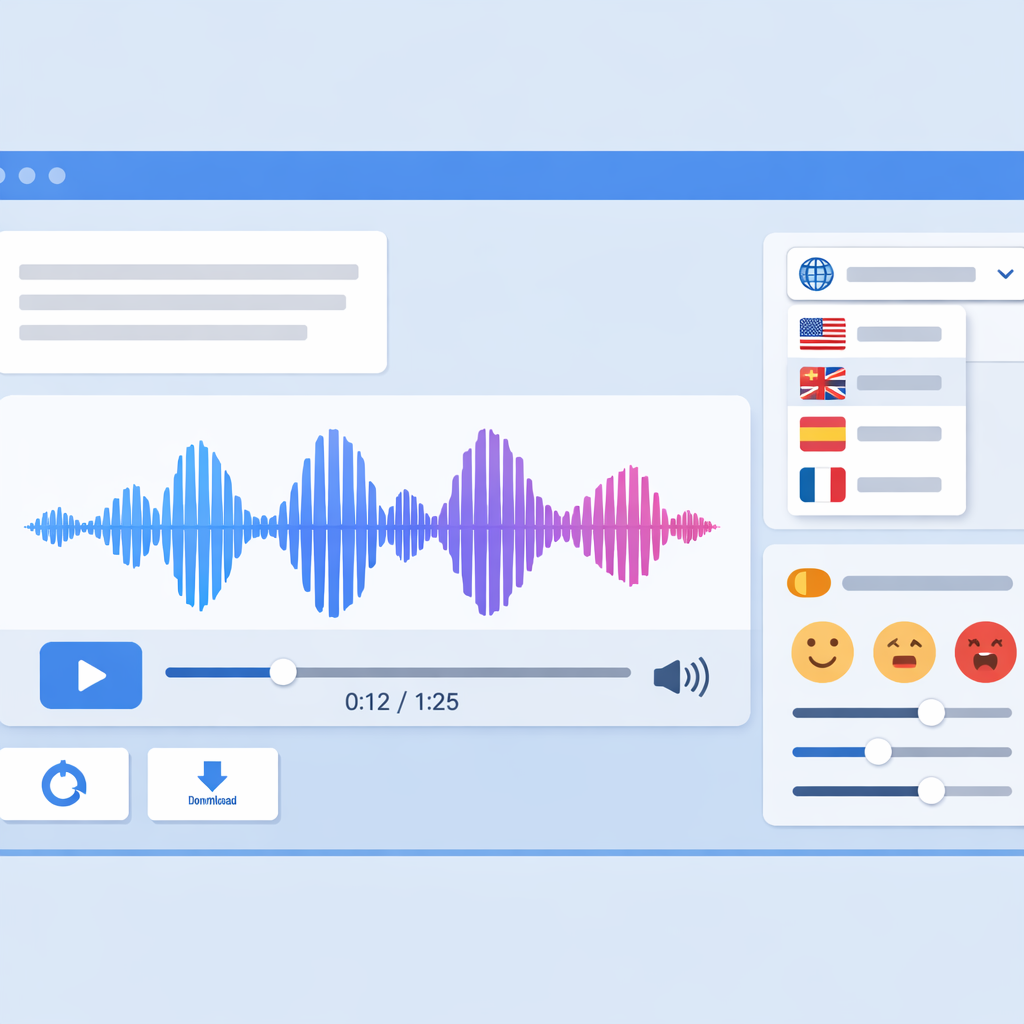
- The best ai voice over generator should sound natural, support many languages, and give you simple control over tone and pacing.
- Different buyers need different strengths. Marketers want speed, educators want clarity, and product teams want repeatable output.
- Workflow matters. A browser-based tool with quick edits and exports saves time every week.
- Revoicer stands out for broad voice coverage, online access, emotional delivery, and practical scale for content teams.
- Compare tools by use case, not hype. That leads to better value and fewer production headaches.
If you are looking for the best ai voice over generator, focus on three things: natural sound, easy editing, and a workflow you will actually use. A great demo is not enough. The right tool should help you create voiceovers faster without making quality drop.
Best AI Voice Over Generator: Top Features Guide
We reviewed the voice AI market from a buyer’s point of view. We looked at creator tools, browser apps, developer platforms, and common content workflows. We also checked claims against official pages from OpenAI, ElevenLabs, and Wikipedia’s speech synthesis overview.
Introduction: What Makes the Best AI Voice Over Generator?
The best ai voice over generator should do three jobs well. It should sound human. It should give you control over delivery. And it should help you publish faster.
That sounds obvious, but many tools only do one part well. Some have strong models but weak editing. Others are built for developers, not creators. If you need voiceovers for ads, lessons, demos, or podcasts, ease of use matters as much as raw model quality.
A good platform should also solve a real business problem. A marketing team may need 20 ad variants in a week. A course creator may need clear narration across many lessons. A product team may need onboarding audio without booking voice talent for every update.
Want a browser-based workflow that can turn scripts into polished audio without recording gear?
What Is an AI Voice Over Generator and How Does It Work?
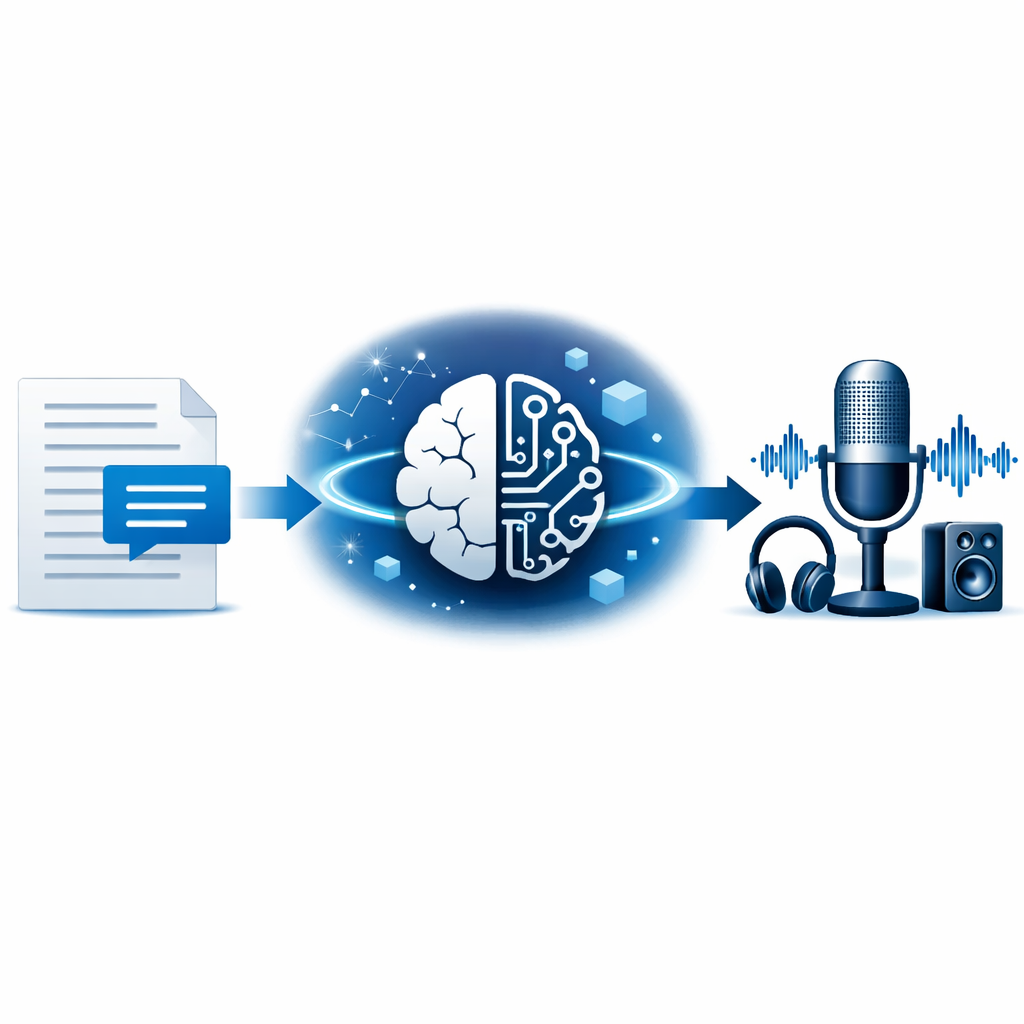
An AI voice over generator turns written text into spoken audio with machine learning. In simple terms, the system predicts how words should sound, where pauses belong, and how each sentence should flow.
Most modern tools use neural text-to-speech, or TTS. Better platforms go further. They add emotion controls, voice styles, accent options, and pronunciation tuning. That is what separates basic reading from a voiceover that feels ready to publish.
Most tools fit into two groups:
-
Creator tools: made for marketers, educators, podcasters, and business teams who want fast voice generation in a visual interface.
-
Developer tools: made for APIs, streaming, low-latency output, and app integration.
Developer-first options such as OpenAI TTS, Deepgram Aura-2, Cartesia Sonic 3, Hume AI Octave, Inworld AI, and MiniMax Speech can be strong choices for apps. But if your daily work is script writing and content production, the best ai voice over generator is often the one that removes steps, not the one with the most technical docs.
“Text-to-speech quality today is judged less by whether it can speak and more by whether it can speak with believable timing, emphasis, and intent.”Industry trend observed across official product demos from OpenAI, ElevenLabs, and commercial voice platforms, reviewed May 2026.
Who Benefits Most From AI Voice Over Tools?

AI voice tools now serve many types of users. The key is matching the tool to the job.
🎯 Fast content teams
Need quick ad variants, landing page videos, and localized campaigns without studio delays.
🎓 Learning creators
Need clear, repeatable narration for lessons, explainers, and multilingual course material.
🎙️ Audio publishers
Need a consistent voice style for intros, trailers, promos, and recurring segments.
🧩 Product teams
Need scalable voice output for demos, onboarding, support, and feature walkthroughs.
Marketers and Content Teams
Marketing teams often get the fastest return from the best ai voice over generator. One campaign may need a YouTube ad, a short social version, a product teaser, and a landing page explainer. Re-recording every change with human talent is slow and costly.
With AI voiceover software, teams can update pricing, offers, or hooks in minutes. That makes testing much easier.
Educators, Students, and Course Creators
Educators need clarity and consistency. A lesson should be easy to follow. Course creators also benefit from quick updates. If a product changes or a lesson needs a new section, they can revise the script instead of re-recording the whole module.
Authors, Podcasters, and Product Teams
Authors can create trailers and excerpt audio. Podcasters can make intros, ad reads, and recap segments. Product teams can build demos and help content without a heavy production process.
This is where tool type matters. If you need APIs for real-time apps, compare platforms like Inworld AI or OpenAI. If you need polished content audio, the best ai voice over generator is usually a creator-first platform.
The Features to Look for in the Best AI Voice Over Generator
The best ai voice over generator should not be judged by a single voice sample. You need features that support real work.
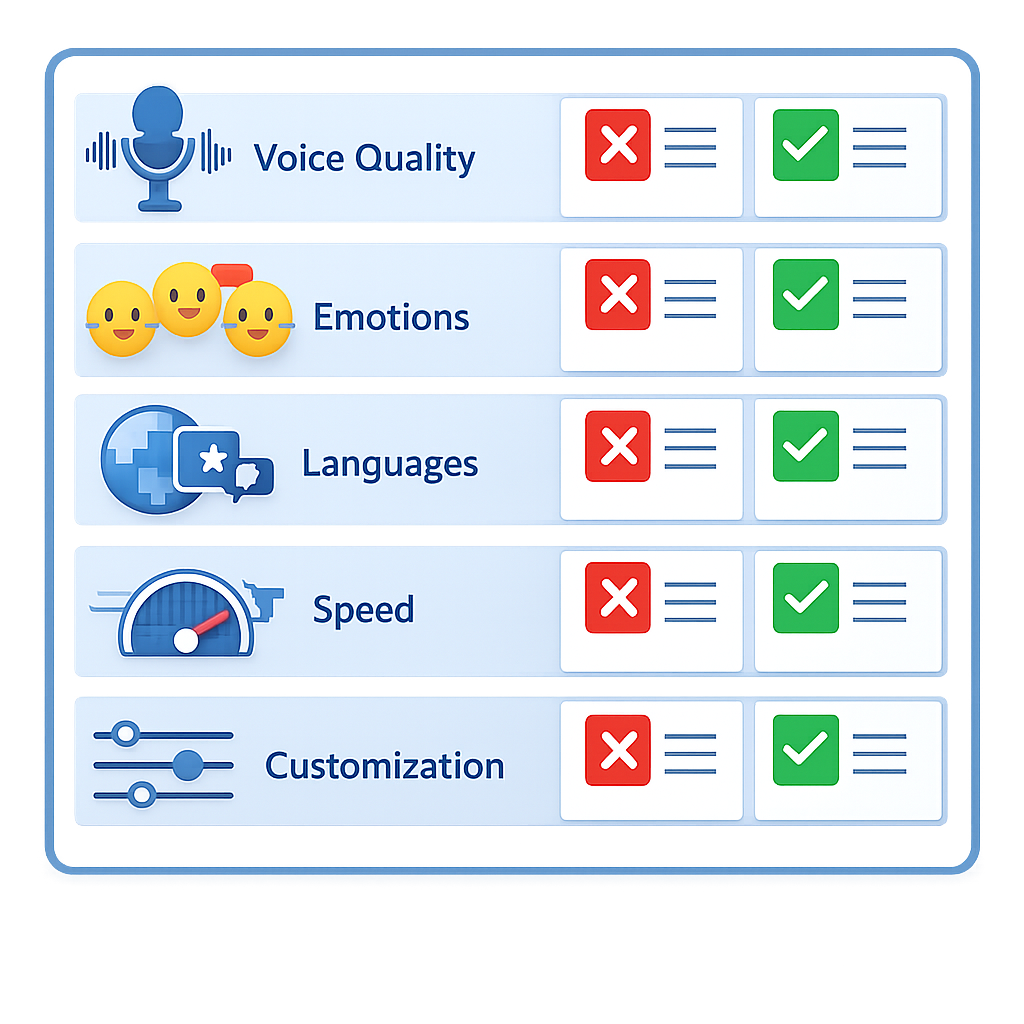
| Feature | Why it matters | Best for |
|---|---|---|
| Human-sounding voices | Builds trust and reduces the robotic feel | Ads, explainers, podcasts, courses |
| Emotion controls | Adds energy, empathy, urgency, or calm | Sales videos, storytelling, onboarding |
| Language and accent coverage | Supports localization and wider reach | Global brands, educators, SaaS teams |
| Pitch and speed settings | Helps match brand style and audience needs | All users |
| Browser-based workflow | Reduces setup time and simplifies teamwork | Non-technical teams |
| Scalable pricing value | Makes high-volume production sustainable | Agencies, content teams, publishers |
Human-Sounding Voices That Fit Different Use Cases
Realism is the first filter. If the voice sounds synthetic, the rest matters less. Good tools offer different voice styles because the right voice for a finance explainer is not the right voice for a product teaser.
Emotion-Based Voice Generation for More Natural Delivery
Emotion is one of the biggest differences between average and great tools. Basic TTS reads words. Better voice AI performs them. That matters for ads, tutorials, onboarding, and story-driven content.
Language Coverage and Accent Flexibility
If you publish in more than one region, language support matters. Accent flexibility matters too. U.S., U.K., Australian, and Indian English can all change how local and credible a message feels.
Customization Options for Pitch, Speed, and Voice Type
Fine controls save time. They help you shape delivery without rewriting the script again and again. That speeds up production and makes one script easier to adapt for many channels.
Why Emotion and Customization Matter More Than Basic Text-to-Speech

Basic text-to-speech works for utility tasks. It can read a paragraph or provide simple accessibility output. But voiceover content has a bigger job. It needs to hold attention and support meaning.
Think about a product walkthrough. If the narrator sounds flat, users tune out. If the narrator sounds warm, confident, or urgent when needed, the message lands better. That is why emotion and customization matter so much.
This shows up in real workflows. A podcast producer can save hours by using AI for intros and sponsor reads. A course creator can update dozens of lessons faster. A SaaS team can localize onboarding videos without rebuilding the whole process.
According to official product positioning from major providers like OpenAI and ElevenLabs, modern voice generation is increasingly judged on expressiveness, latency, and control, not just intelligibility.Reviewed May 2026 from official product and platform materials.
How Revoicer Stands Out as a Scalable Voiceover Solution
For creator-led workflows, Revoicer focuses on practical production value. It is built for users who want realistic voiceovers without recording gear, complex software, or technical setup.
80+ Human-Sounding AI Voices and 40+ Languages
Based on Revoicer’s sales materials, the platform offers 80+ human-sounding AI voices and 40+ languages. That gives teams more options for tone, audience, and localization in one place.
100% Online App With Nothing to Download
Revoicer is presented as a 100% online app. That matters because browser access removes setup friction. Teams can log in, edit scripts, preview voices, and export audio without installing extra software.
Built for Speed, Scale, and Cost Efficiency
If you create sales videos, lessons, podcast assets, or demos every week, the best ai voice over generator should make each new asset easier to produce. Revoicer is positioned around that need. It aims to cut time and cost while keeping the workflow simple.
Custom Emotions for Brand and Storytelling Needs
One of Revoicer’s strongest selling points is emotional delivery. Brand content rarely works with one flat tone. You may need excitement for an ad, calm authority for a tutorial, or empathy for support content.
“For creator workflows, the winning tool is not always the one with the most advanced API. It is the one that helps a team go from script to usable audio in the fewest steps.”Our editorial evaluation framework for voiceover tools, May 2026.
How to Choose the Right AI Voice Over Generator for Your Needs

If you want the best ai voice over generator for your situation, compare tools in this order.
-
Define the main job. Are you creating ads, courses, product demos, support content, or podcast assets?
-
Test realism and emotional fit. Listen for pacing, emphasis, and whether the voice matches your message.
-
Check language and accent needs. Choose for future scale, not only today’s project.
-
Review editing simplicity. Fast script changes save time and money.
-
Compare long-term value. The cheapest tool can become expensive if it creates extra work.
Compare Use Cases Before Comparing Tools
Many buyers compare brand names first. That is backwards. Compare use cases first. OpenAI, Deepgram, Cartesia, and Inworld may fit developer-heavy needs. Revoicer is more aligned with direct content production.
Evaluate Workflow Simplicity and Output Quality
A voice sample can impress you for a few seconds. A workflow affects you every week. Look for a platform that makes script input, edits, previewing, and export feel simple.
Think Beyond Price to Long-Term Content Production Value
Price matters, but production value matters more. If a tool saves hours each week, that gain can outweigh a lower sticker price elsewhere. In many cases, the best ai voice over generator is the one that improves consistency and speed.
Common Mistakes to Avoid When Picking an AI Voice Generator

Here are common mistakes:
- Focusing only on novelty. A flashy demo is not the same as dependable weekly output.
- Ignoring editing speed. Script revisions happen all the time.
- Skipping multilingual planning. Future expansion should shape your choice now.
- Overbuying technical features. APIs matter for apps, but not every creator needs them.
- Undervaluing emotional range. Flat narration can weaken ads, onboarding, and lessons.
If your priority is content creation, make sure the tool matches that reality. The best ai voice over generator for a creator is not always the same as the best tool for a developer.
Conclusion: Finding the Best AI Voice Over Generator for Realistic Results
The best ai voice over generator balances realism, flexibility, and speed. You want voices that sound human, controls that shape delivery, and a workflow that helps your team publish more with less effort.
For marketers, educators, authors, podcasters, support teams, and product teams that need scalable voiceover production, Revoicer is a strong option. Its online workflow, broad language support, large voice library, and emotional controls make it especially useful for content-heavy teams.
If your goal is realistic voiceovers that fit real production schedules, focus on long-term usability, not just demo appeal.
Ready to explore a voiceover workflow built for speed, flexibility, and scalable content production?
Frequently Asked Questions
What is the best ai voice over generator for non-technical users?
For non-technical users, the best choice is usually a browser-based tool with realistic voices, emotion controls, and simple editing. Revoicer is relevant for users who want fast voiceover creation without APIs or recording workflows.
How is an AI voice over generator different from basic text-to-speech?
Basic text-to-speech focuses on reading text clearly. An AI voice over generator adds natural pacing, voice style, emotional tone, accent options, and production-friendly controls.
Do I need API access to get good AI voiceovers?
No. API access is useful for developers building apps or real-time voice systems. If you are creating marketing videos, courses, podcasts, or demos, a creator-focused platform is often the better fit.
Why do emotion controls matter in voice generation?
Emotion controls help the voice match the message. Enthusiasm can improve ads, calm delivery can support tutorials, and empathetic tone can make support content feel more human.
What should I look for if I need multilingual voiceovers?
Look for broad language support, accent flexibility, and consistent output quality across voices. Also check whether the workflow makes it easy to create localized versions from one script.
Is price the most important factor when choosing a voice tool?
Not usually. Long-term value matters more. A tool that saves time, reduces revisions, and supports more output can deliver better ROI than a cheaper tool that creates friction.