
Key Takeaways
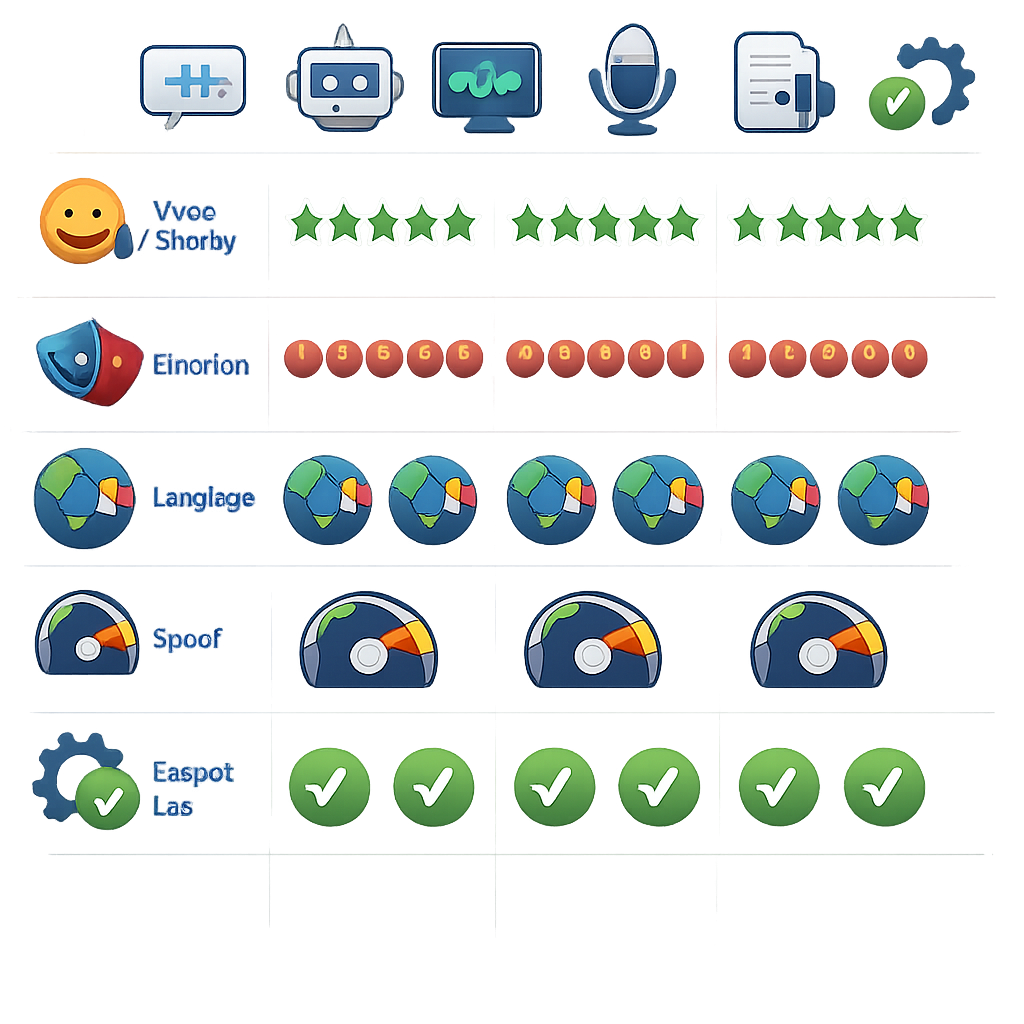
- The best text to speech tool should sound natural, fit your workflow, and support the content you make most often.
- Voice quality matters, but so do emotion control, language coverage, and fast editing.
- Teams often get the most value from speed, consistency, and easy updates.
- Revoicer stands out for emotion-based AI voices, broad language support, and a simple online workflow.
- Start with your use case first, then compare features, scale, and ease of use.
Best Text to Speech Tools and How to Choose
If you are looking for the best text to speech tool, focus on results. A good platform should help you create clear, natural audio fast. It should also fit your team, your budget, and your content goals.
Why trust this guide: We reviewed leading text-to-speech platforms for common business uses such as video ads, lessons, audiobook drafts, support content, and product explainers. We compared voice realism, emotion control, language coverage, editing flexibility, and ease of use. We also checked official references, including Wikipedia’s overview of speech synthesis, Google Cloud Text-to-Speech documentation, and Microsoft Azure AI Speech documentation.
Best Text to Speech: What Really Makes a Tool Worth Using

The best text to speech software should do more than read words aloud. It should help you publish audio that sounds human and is easy to update.
In most cases, the best tools share a few core strengths:
- Natural pacing: pauses and emphasis should feel smooth.
- Emotion controls: useful for ads, stories, lessons, and onboarding.
- Language support: important for global teams and multilingual brands.
- Fast editing: script changes should not require a new recording session.
- Scalability: the tool should work for one video or a full content library.
Modern neural speech systems from major vendors such as Google and Microsoft aim to improve naturalness and clarity through deep learning models. That matters because people notice the gap between audio that is merely understandable and audio that feels believable.
Want to hear how emotion-driven AI voiceovers can improve videos, lessons, and product demos?
Best for speed
Teams that publish often need quick edits, fast exports, and less production delay.
Best for persuasion
Emotion, pace, and emphasis matter in sales videos, explainers, and product launches.
Best for consistency
AI voice tools help keep a steady brand sound across channels and regions.
How to Evaluate the Best Text to Speech Software
Use a simple scorecard. A platform may sound good in a short demo, yet still fail in real work. To find the best text to speech option, test it on the jobs you actually need done.
| Criterion | Why it matters | What to check |
|---|---|---|
| Voice realism | Shapes trust and listener attention | Listen to longer samples, not one sentence |
| Emotion control | Important for sales, stories, and teaching | Test calm, excited, and empathetic tones |
| Language coverage | Supports localization and growth | Check accents and pronunciation quality |
| Customization | Helps match your brand voice | Adjust speed, pitch, pauses, and voice type |
| Cloud workflow | Saves time and simplifies teamwork | Look for browser access and easy exports |
Voice Realism and Natural Sound
Realism is the first test. If listeners notice the voice before the message, your content loses impact. The best text to speech software should handle punctuation, numbers, and longer passages without sounding stiff.
Always test a script of at least 30 to 90 seconds. Many tools sound fine in a short clip. Fewer stay natural through a lesson, webinar intro, or product demo.
“Neural text-to-speech models can generate speech that is significantly more natural than earlier concatenative systems, but quality still depends on prosody control, training data, and the target language.”According to Microsoft Azure AI Speech documentation
Emotion and Tone Control
Emotion is a major difference between average and excellent tools. A support tutorial should sound calm. A launch video should sound energetic. A training lesson may need authority without sounding cold.
If your content needs persuasion or empathy, emotion controls are not a bonus. They are part of what makes the best text to speech tool worth paying for.
Language and Accent Coverage
Many brands now publish for more than one market. That makes language support a practical need, not a nice extra. Good platforms offer multiple languages and accents while keeping pronunciation clear.
Do not judge coverage by the number on a pricing page alone. Test the accent your audience will hear.
Cloud Access and Ease of Use
Ease of use matters more than many reviews admit. A browser-based app removes setup friction and helps teams work faster. It also makes revisions easier when scripts change.
For related ideas, see our internal guides on AI voice generation benefits and uses and voice-over generator features to compare.
Who Needs the Best Text to Speech Tools Most

The best text to speech tools help many kinds of users, but each group values something different.
For Marketers and Video Creators
Marketers need speed and variation. Campaigns change fast. Scripts get revised late. Regional versions are common. AI voice tools let teams create ad variants, social clips, and product videos without booking new talent every time.
For Educators, Students, and Course Creators
Education content needs clarity and steady pacing. Course creators often need dozens of lessons with the same voice style. Students and accessibility users also benefit from audio that is easy to follow.
For Authors, Podcasters, and Content Teams
Authors use text to speech for draft review, audiobook testing, and promo clips. Podcasters and content teams use it for intros, ads, teasers, and translated content. Here, long-form consistency matters more than flashy demos.
For Customer Support and Product Teams
Support teams and product teams often need to update tutorials, onboarding audio, and release guidance. Once content volume grows, traditional recording becomes slow and expensive.
“For fast-moving product teams, the real win is not just saving money. It is being able to update spoken guidance the same day the interface changes.”Our editorial assessment based on SaaS onboarding workflows
Best Text to Speech Features Competitors Often Overlook
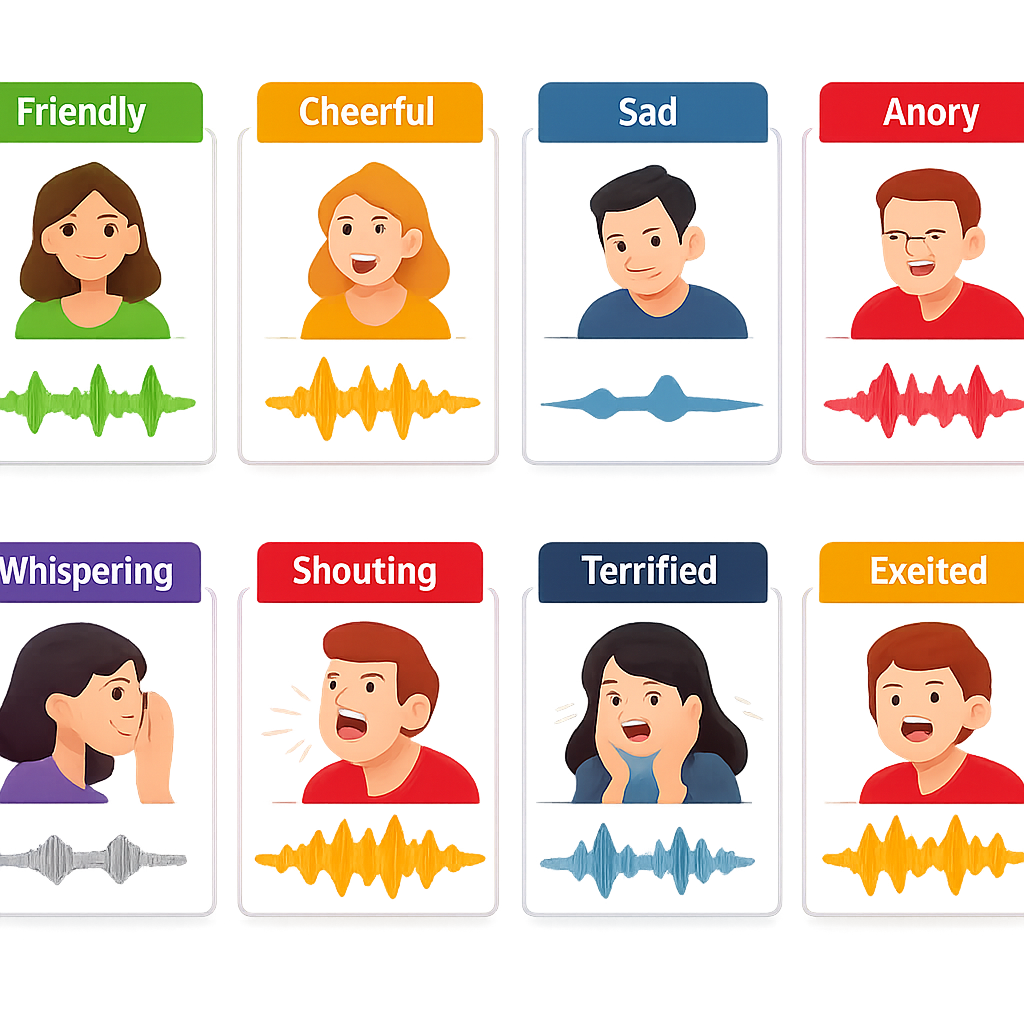
Many comparison pages focus on voice quality and price. Those matter, but they are not the whole story. Some of the biggest long-term gains come from features buyers overlook at first.
Custom Emotions for More Persuasive Audio
Emotion changes how people respond. A neutral voice may work for simple reading, but persuasive content often needs warmth, urgency, confidence, or empathy. This is one of the clearest differences among the best text to speech tools.
Scalability Without Traditional Recording Workflows
Traditional recording takes time. You need scripts, talent, retakes, editing, and scheduling. AI voice tools remove much of that friction, especially for lesson libraries, ad variants, multilingual explainers, and support updates.
Cost Efficiency for Ongoing Content Production
Upfront price is only one part of cost. A cheaper tool with weak voices may create more editing work and lower results. A better platform can save more time and effort over months of use.
How Revoicer Stands Out Among the Best Text to Speech Options
Revoicer stands out by combining realism, emotional delivery, and ease of use. That mix is useful for teams that want production-ready audio without technical complexity.
Emotion-Based AI Voices for More Human Delivery
One of Revoicer’s strongest points is its focus on emotion-based AI voices. That makes it useful for sales videos, training content, storytelling, and customer communication where flat narration would weaken the message.
For many buyers, this is a strong sign that Revoicer belongs in any serious best text to speech shortlist.
80+ Human-Sounding Voices Across 40+ Languages
Based on the product’s sales materials, Revoicer offers 80+ human-sounding voices across 40+ languages. That supports localization, audience testing, and different content formats without switching tools.
100% Online App With No Download Needed
Revoicer is presented as a fully online app, so users can create voiceovers without installing software. That lowers friction for non-technical teams and helps people move from script to export quickly.
Built for Speed, Scale, and Simplicity
| Tool factor | Why Revoicer matters | Best fit |
|---|---|---|
| Emotion-based delivery | Helps audio sound more persuasive and human | Marketers, course creators, storytellers |
| 80+ voices, 40+ languages | Supports localization and audience variety | Global brands, agencies, support teams |
| Online access | No download needed and faster onboarding | Distributed teams, solo creators |
| Simple workflow | Reduces production delays and revision pain | High-volume content operations |
How to Choose the Best Text to Speech Tool for Your Use Case
The easiest way to choose the best text to speech platform is to start with your output. Think about what you publish each month and what slows you down now.
Choose Based on Content Type
If you make short ads, prioritize energy and emotional range. If you make courses, prioritize clarity and consistency. If you publish support tutorials, prioritize update speed and easy editing.
Choose Based on Team Size and Volume
A solo creator may care most about simplicity. A larger team may need repeatable workflows and faster production at scale. Volume changes what “best” means.
Choose Based on Voice Flexibility
If your brand speaks to different audiences, flexibility matters. You may need one voice for sales, another for onboarding, and another for training.
-
Step 1: List your top three use cases, such as ads, lessons, or support videos.
-
Step 2: Rank what matters most: realism, emotion, language support, or speed.
-
Step 3: Test a longer script, not just a short headline.
-
Step 4: Estimate monthly volume so you choose a tool that can scale.
Common Mistakes to Avoid When Picking a Text to Speech Tool
Even experienced buyers make a few common mistakes.
Focusing Only on Price
Low cost can look attractive, but poor quality creates hidden costs in editing, weaker engagement, and replacement later.
Ignoring Emotional Range
A flat voice may work for basic reading. It is rarely the best choice for marketing, teaching, or storytelling.
Overlooking Workflow Simplicity
If a tool is hard to use, your team will avoid it. Simple cloud access and fast editing often matter more than advanced settings.
Choosing a Tool That Cannot Scale
What works for one monthly video may fail for a large course library or multilingual support center.
Final Verdict: Finding the Best Text to Speech for Real-World Results
The best text to speech tool is the one that helps you publish better audio faster, with less friction and more control. For most teams, that means natural voice quality, emotional flexibility, broad language support, and a workflow simple enough to use every day.
Revoicer stands out because it matches those practical needs well. Its emotion-based voices, broad language coverage, and online setup make it a strong fit for marketers, educators, creators, authors, support teams, and product-led businesses.
If your goal is better communication, not just synthetic narration, choose a tool that makes spoken content feel human and easy to produce.
Ready to compare your current workflow against an emotion-based AI voice platform built for speed and simplicity?
Frequently Asked Questions
What is the best text to speech tool for marketing videos?
The best option for marketing videos usually combines natural voice quality with emotional control. Marketers often need persuasive delivery, multiple voice styles, and fast turnaround for script changes.
Why does emotional range matter in text-to-speech software?
Emotion affects how listeners respond to the message. A calm voice can improve support content, while an energetic voice can strengthen ads and product launches.
How many languages should a good text-to-speech platform support?
That depends on your audience, but broader language and accent coverage helps future-proof your workflow. It is especially useful for global brands, educators, and multilingual content teams.
Is cloud-based text-to-speech better than downloadable software?
For many teams, yes. A cloud-based app is easier to access, update, and share. It also removes installation friction and supports faster collaboration.
Who benefits most from the best text to speech tools?
Marketers, video creators, educators, students, authors, podcasters, customer support teams, and product teams all benefit when they need scalable, consistent, and realistic voiceovers.