Key Takeaways
- The best ai tts tool is not only about realistic sound. It should also give you emotion control, fast editing, and a simple workflow for repeat content.
- Marketers, educators, podcasters, and support teams need different features, so the right platform depends on use case, not hype.
- Emotion-based narration matters because flat delivery can hurt watch time, trust, and completion rates.
- Revoicer stands out for broad language coverage, human-sounding voices, browser-based access, and simple controls for pitch, speed, and style.
- Before you buy, compare output quality, pricing, scalability, and ease of use side by side instead of looking at price alone.
The best ai tts software can turn a script into a polished voiceover in minutes. But not every platform sounds believable when real people hear it. The strongest tools combine natural pacing, emotional range, multilingual support, and a workflow that saves time for teams producing content at scale.
Best AI TTS: What to Look for in a Modern Voice Generator
Why trust this guide: We reviewed the features buyers care about most in modern text-to-speech platforms: realism, emotional delivery, language coverage, editing control, speed, and production efficiency. We also compared common market expectations shaped by tools such as ElevenLabs, Hume, Speechify, WellSaid, DupDub, Respeecher, and Altered, while using Revoicer’s official sales page as the primary source for product-specific claims.
What to Look for in a Modern Voice Generator
Most buyers start by asking which platform has the most voices. That is useful, but it is not enough. The better question is this: can the tool help you make content that sounds credible, matches your audience, and fits your workflow?
The best ai tts tools share a few traits. They sound less robotic, offer emotional nuance, handle multiple languages well, and let non-technical users create voiceovers without learning a complex audio stack. That matters whether you publish one course per quarter or 200 ad variations per month.
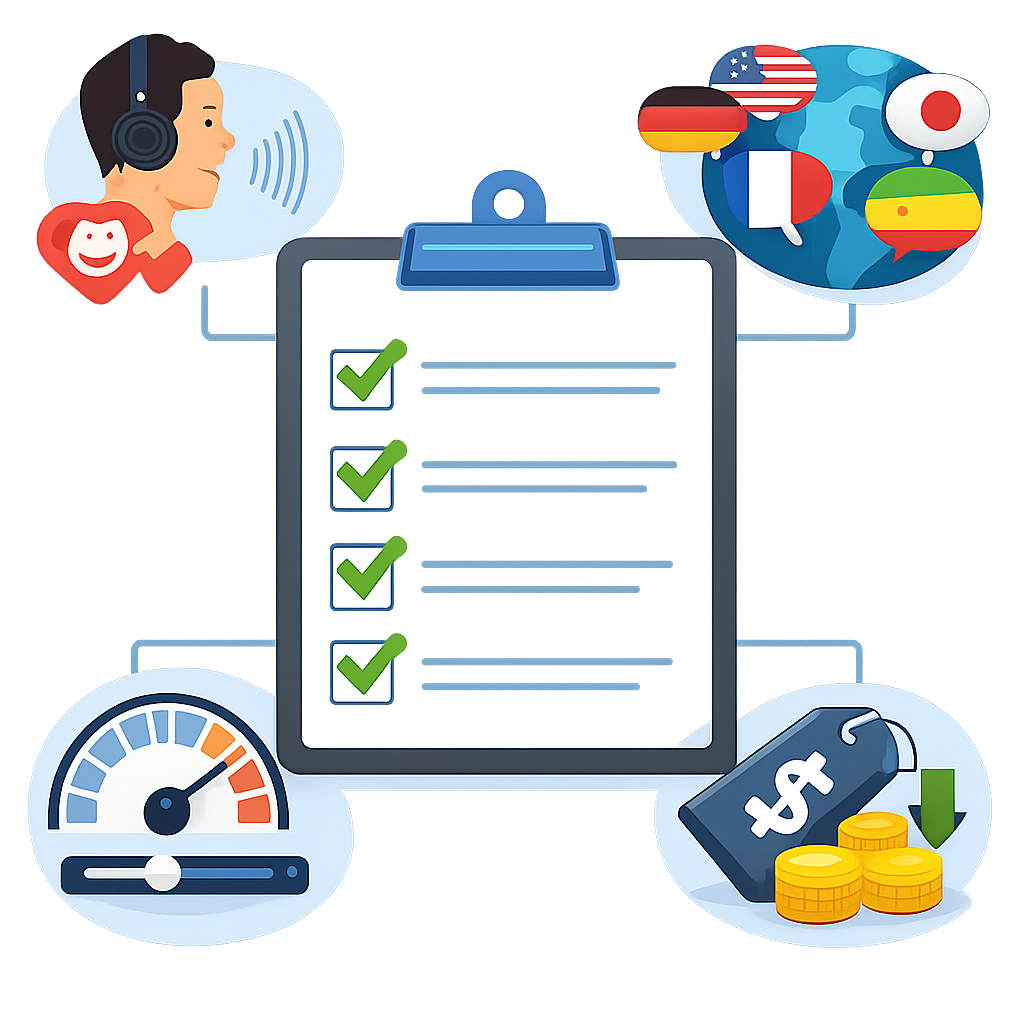
🎙️ Realism
Look for breathing room, natural pauses, and cadence that does not flatten every sentence.
😊 Emotion
Friendly, cheerful, serious, whispering, or excited tones can change conversion and retention.
🌍 Reach
Language and accent flexibility help brands localize without rebuilding production from scratch.
⚡ Workflow
Fast generation, browser access, and simple controls reduce editing time for busy teams.
Want to hear how emotional AI voiceovers can sound in a browser-based workflow?
What Makes the Best AI TTS Tool?
Buyers often compare AI voice generators as if they all solve the same problem. They do not. Some tools are strong at prompt-based voice design. Others focus on studio editing, phoneme control, or workflow integrations. The best ai tts option for most business users is the one that turns scripts into usable voiceovers quickly and consistently.
Voice realism and natural pacing
Realism starts with cadence. Human speech has micro-pauses, emphasis shifts, and subtle rhythm changes. A flat voice may pronounce every word correctly, but it still sounds synthetic over time.
That is why platforms like ElevenLabs and Hume are often discussed for human-like cadence, while Speechify and WellSaid are often praised for timing and pronunciation controls. In practice, you want narration that feels spoken, not merely read.
According to Google Cloud Text-to-Speech documentation, high-quality speech synthesis depends on prosody, pronunciation, and pacing controls as much as raw voice quality.
Emotion and tone control
This is where many platforms separate themselves. A realistic voice with no emotional range still underperforms in ads, training, storytelling, and social content. Emotion controls help you match message intent: calm for tutorials, upbeat for promotions, warm for onboarding, and energetic for launches.
For example, a marketer testing five versions of a video ad may need cheerful, confident, urgent, and conversational takes from the same script. Without emotional controls, that often means rewriting copy to force tone. With them, the voice does part of the work.
Language coverage and accent flexibility
Global content teams rarely publish in one market only. Language coverage matters for localization, but accent flexibility matters too. A brand selling in the US, UK, India, and Latin America often needs region-specific delivery that feels natural to listeners.
If your team plans to scale internationally, test the same script across several languages and accents. Listen for pronunciation consistency, natural pacing, and whether the voice still sounds human after longer passages.
Editing speed and usability
The best ai tts platform should save time, not create extra cleanup. Browser-based editing, quick regeneration, and simple sliders for speed or pitch can matter more than advanced features most teams never use.
- 1
Fast iteration: Change a line, regenerate it, and move on without rebuilding the whole project.
- 2
Simple controls: Teams work faster when pitch, speed, pauses, and style are easy to adjust.
- 3
Low training burden: A tool should be usable by marketers, educators, and founders, not only audio specialists.
Best AI TTS Features for Marketers, Educators, and Creators
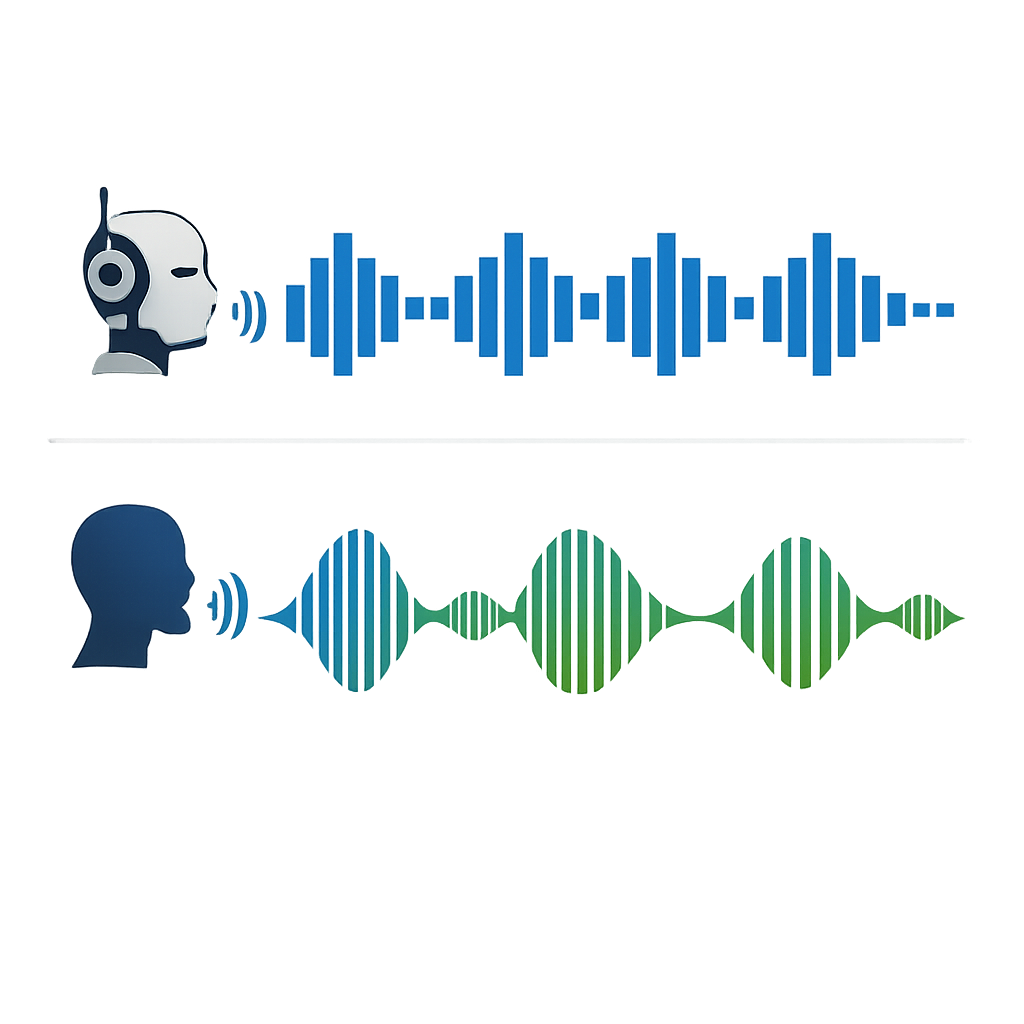
The best ai tts choice depends on what you create. A solo creator may care most about speed and price. A training team may care more about clarity and consistency. A brand running paid ads may need emotional range above all else.
For marketers
Look for emotional presets, fast script testing, short-form ad support, and multiple voices for campaign variation.
For educators
Prioritize clear pronunciation, steady pacing, multilingual support, and easy updates when lessons change.
For creators
Focus on natural delivery, simple editing, character variety, and export options for video, podcasts, and social clips.
For support teams
Choose reliable voices, language coverage, and a workflow that helps you update tutorials and onboarding fast.
Use case fit matters because the same voice can perform very differently across formats. A voice that sounds great in a 15-second ad may feel too dramatic for a 20-minute lesson. A calm training voice may sound too flat for a product launch. Always test the tool in the format you actually publish.
Why Emotion-Based AI Voices Matter More Than Ever
People notice tone faster than they notice technical quality. If a voice sounds cold, stiff, or mismatched, the audience checks out. That is why emotional delivery has become a major factor in choosing the best ai tts platform.
Emotion affects more than style. It shapes trust, clarity, and retention. A warm voice can make onboarding feel easier. A calm voice can make training less tiring. An energetic voice can lift ad performance when the message needs urgency or excitement.
“When AI narration sounds flat, viewers may not know why they disengage. They just leave sooner.”
Editorial review note
“The best voice tools do not only read words. They support the feeling behind the message.”
Content production perspective
This does not mean every script needs dramatic delivery. It means the platform should give you enough control to match the context. Subtle emotion is often better than exaggerated emotion. The goal is believable speech, not performance for its own sake.
How Revoicer Stands Out Among the Best AI TTS Platforms
Revoicer is often discussed because it aims at a broad business audience rather than only developers or studio engineers. That matters for teams that want quick voice generation in a browser without a steep learning curve.
Based on its positioning, Revoicer stands out in a few practical ways:
- ✓
Browser-based workflow: Useful for teams that want to create voiceovers without installing complex software.
- ✓
Emotion and style controls: Helpful for ads, explainer videos, onboarding, and course narration.
- ✓
Language coverage: Important for brands that need localization and broader audience reach.
- ✓
Simple editing: Pitch, speed, and voice style controls can reduce revision time for non-technical users.
That does not automatically make it the right fit for everyone. If you need deep API workflows, advanced phoneme editing, or highly specialized studio controls, another platform may be stronger. But for many marketers, educators, agencies, and creators, Revoicer’s appeal is simplicity plus range.
If you want a deeper product breakdown, you can also read our Revoicer review and compare it with your own production needs.
Best AI TTS Comparison Criteria Before You Buy
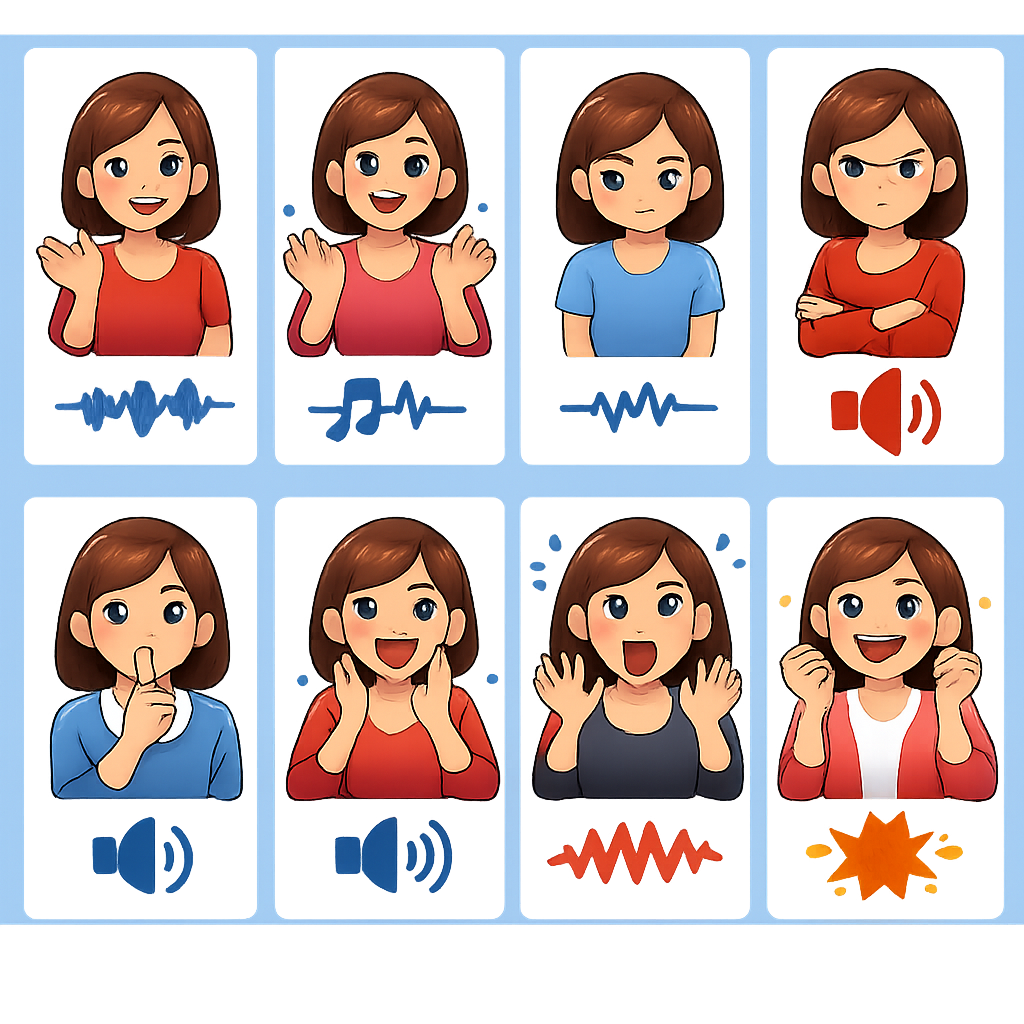
Before choosing the best ai tts tool, compare platforms with a simple checklist. This keeps you focused on results instead of marketing claims.
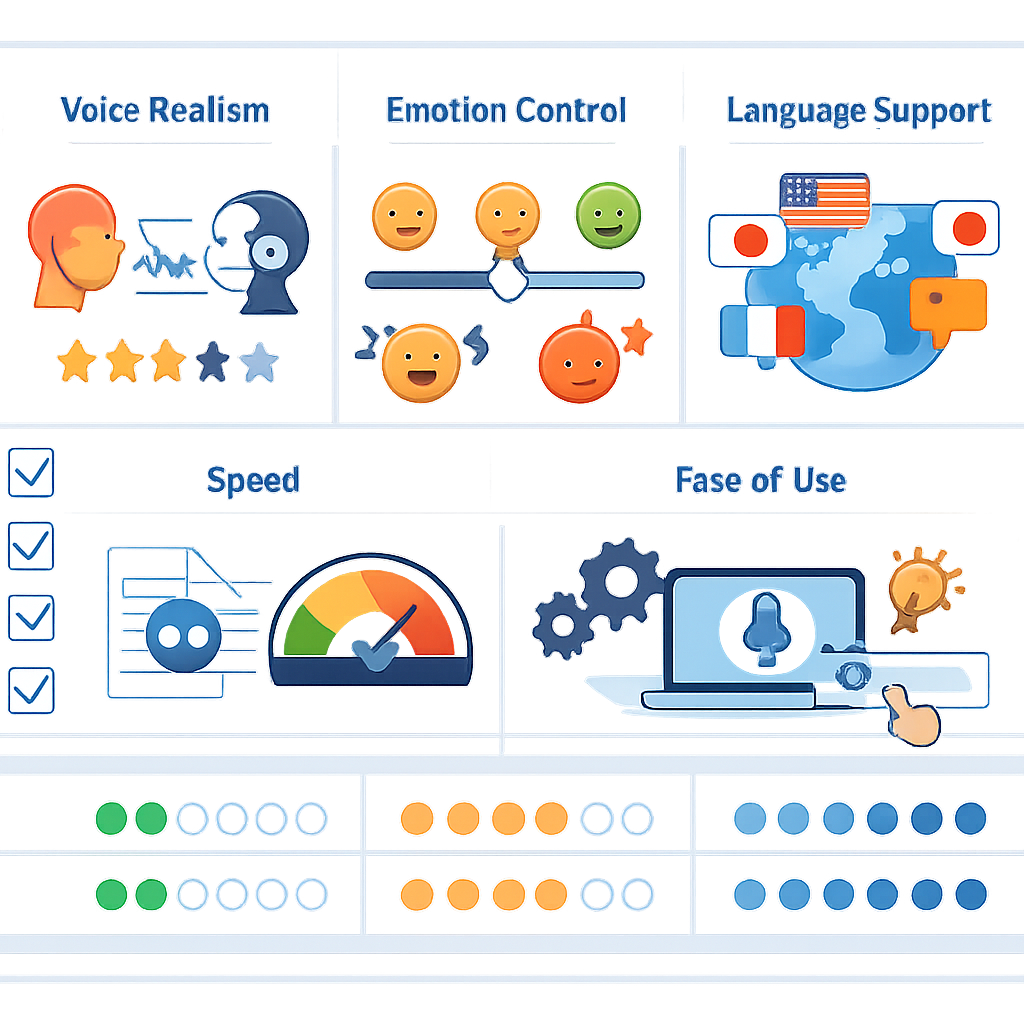
| Criteria | Why it matters | What to test |
|---|---|---|
| Voice realism | Listeners notice robotic pacing quickly. | Run a 2-3 minute script and listen for fatigue. |
| Emotion control | Tone affects trust, retention, and conversions. | Generate the same script in multiple moods. |
| Language support | Localization needs more than translation. | Test accents, names, and regional phrasing. |
| Ease of use | Slow tools create hidden production costs. | Time how long it takes to make one finished clip. |
| Pricing value | Cheap tools can cost more in editing time. | Compare output quality against your revision workload. |
One useful rule: price should be the last filter, not the first. If a cheaper tool creates more cleanup, more retakes, and lower audience response, it is not actually cheaper.
Common AI TTS Mistakes to Avoid
Even the best ai tts software can sound bad if you use it poorly. Many weak results come from setup mistakes, not from the model itself.
-
Use scripts written for speech
Text written for blogs often sounds awkward when read aloud. Shorter sentences and cleaner phrasing usually improve output fast.
-
Ignore pacing
If the platform allows pause control, use it. Small breaks can make a voice sound much more natural.
-
Choose the wrong tone
A serious product update should not sound like a game trailer. Match the voice style to the message.
-
Skip pronunciation tests
Always test brand names, acronyms, and industry terms before exporting final audio.
These basics matter because audience trust is fragile. A single odd pronunciation or a badly matched tone can make the whole piece feel less credible.
Who Should Use the Best AI TTS Software?
The best ai tts tools are useful for more than YouTube voiceovers. They now fit many common business and content workflows.
Agencies
Create more client variations without booking voice talent for every test.
Course creators
Update lessons quickly when products, policies, or examples change.
SaaS teams
Produce onboarding, demos, and help content in multiple languages.
Publishers
Turn articles and scripts into audio formats for broader reach.
If your team publishes often, needs fast revisions, or wants to localize content, AI voice tools can save serious time. If you only need one premium brand film per year, a human voice actor may still be the better fit. The right answer depends on volume, speed, and the level of nuance you need.
For a broader look at practical advantages, you can explore AI voice generation benefits.
Final Verdict: Choosing the Best AI TTS for Your Needs
The best ai tts platform is the one that fits your real workflow. For most buyers, that means a tool with natural pacing, useful emotion controls, strong language coverage, and a simple editing experience. Fancy demos are not enough. You need output that holds up in real projects.
Revoicer is a strong option for users who want browser-based voice creation, broad accessibility, and easy controls without a steep technical setup. Other tools may be better for niche studio or developer needs. But if your goal is fast, believable voiceovers for marketing, education, support, or creator content, it deserves a close look.
Test your top options with your own scripts. Compare short and long output. Check tone, pronunciation, and revision speed. That process will tell you more than any feature list.
FAQ
What does best ai tts mean?
It refers to the text-to-speech platform that gives the best mix of natural sound, emotional range, usability, language support, and value for your specific use case.
Is the best ai tts tool always the most realistic one?
No. Realism matters, but workflow, editing speed, pricing, and language support also matter. The best choice is the one that performs well in your actual production process.
Can AI TTS replace human voice actors?
Sometimes. AI works well for scalable content like ads, tutorials, onboarding, and training. Human voice actors may still be better for high-end brand storytelling or performances that need deep nuance.
How should I test an AI voice platform before buying?
Use your own script. Test short and long content, brand names, emotional styles, and at least one localization scenario. Then compare how much editing each tool requires.