Key Takeaways
- AI generated voices help teams create voiceovers fast and update them without booking new recording sessions.
- The best tools win on realism, emotion control, language support, and a simple editing workflow.
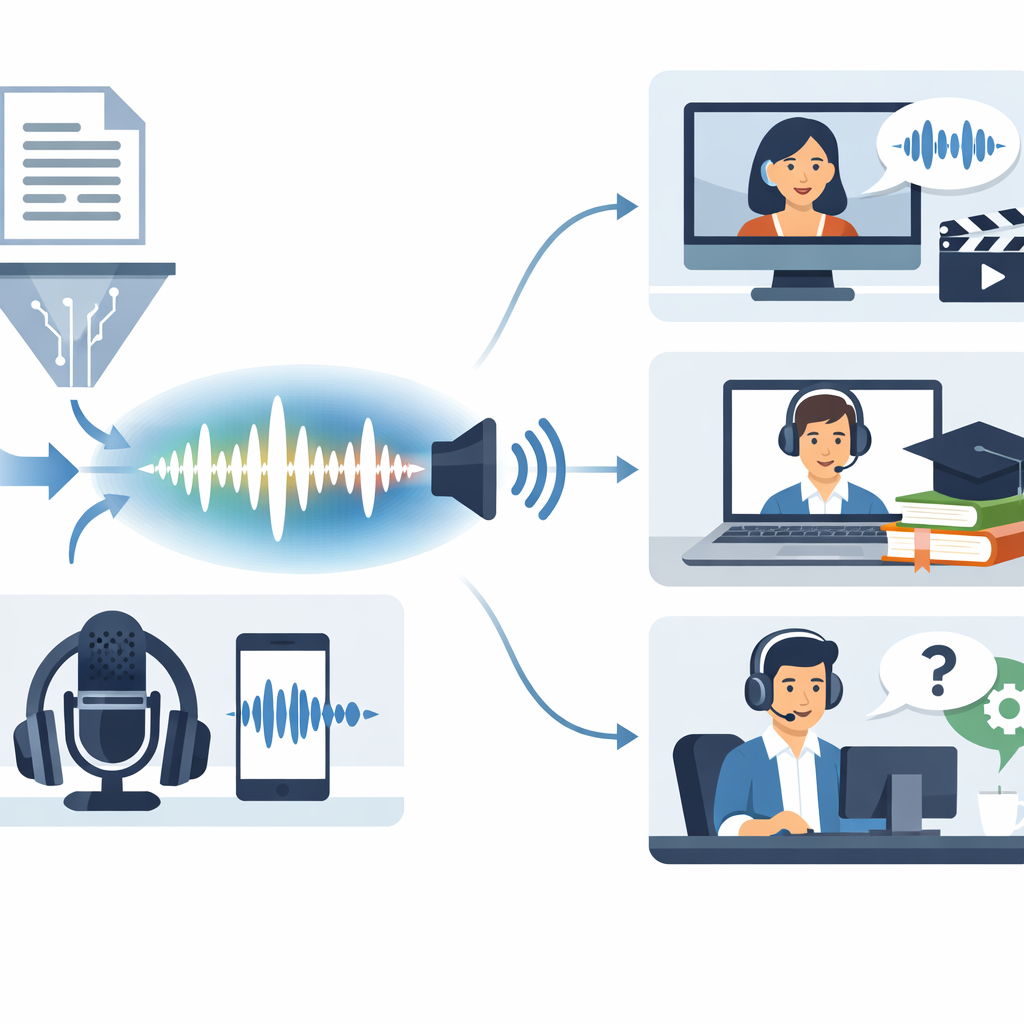
- Common use cases include ads, training, product demos, support prompts, podcasts, and article-to-audio content.
- Choose a platform based on your main workflow, not just the size of its voice library or its price.
- Revoicer stands out for browser-based creation, emotion-based delivery, and broad language coverage.
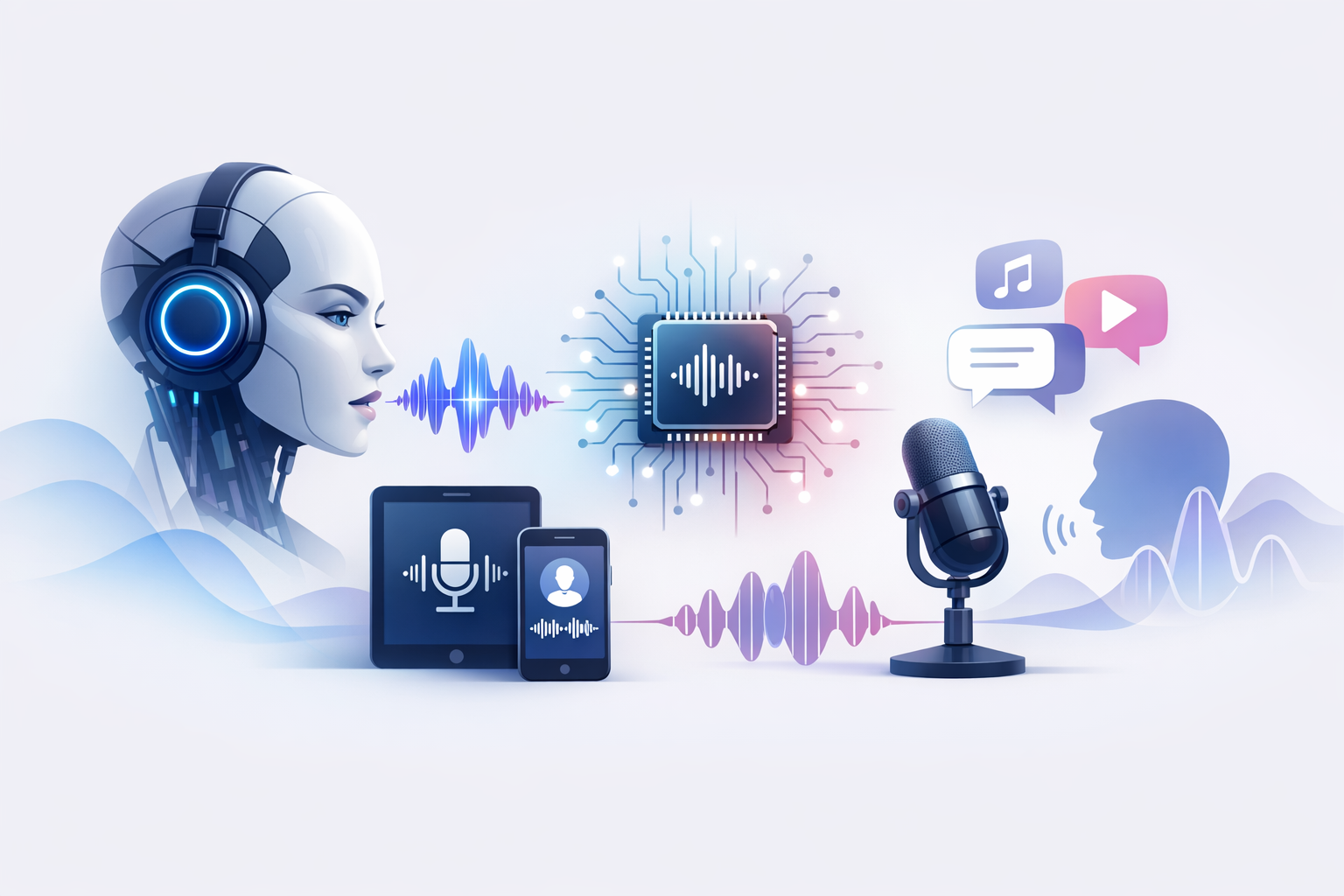
AI generated voices are now a practical tool for marketers, educators, publishers, and product teams. They save time, cut production friction, and make audio easier to scale.
This guide explains what AI generated voices are, where they work best, which features matter most, and how to choose the right tool for your workflow.
AI Generated Voices: Benefits, Uses & How to Choose
What Are AI Generated Voices?
AI generated voices are synthetic voices made by machine learning systems that turn text into speech. Modern tools sound much better than older text-to-speech software. They can handle pauses, pacing, and tone in a more natural way.
Most systems learn from large speech datasets. They study pronunciation, rhythm, and sentence flow. Then they generate spoken audio from a script. The result can work for ads, lessons, demos, support prompts, and long-form narration.
How AI Generated Voices Work
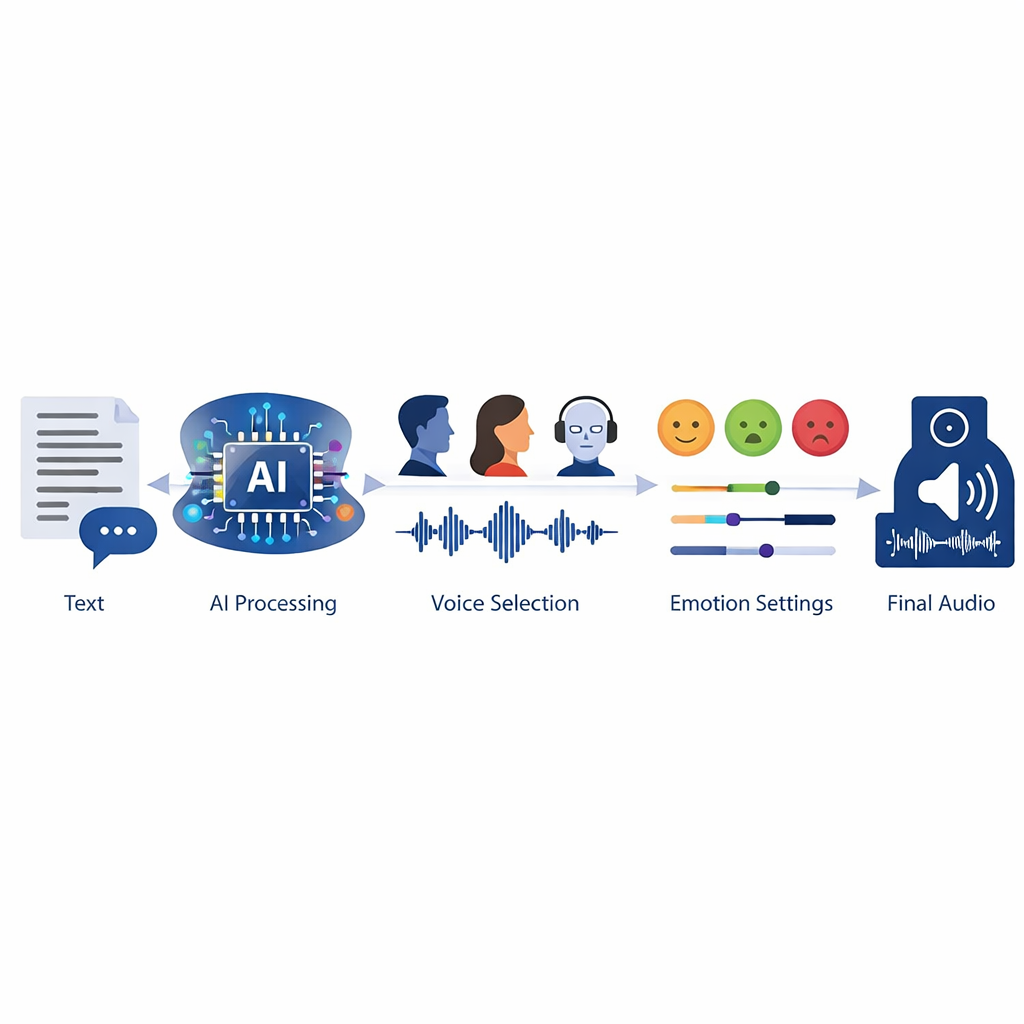
Most tools follow a simple process:
- Text analysis: the platform reads words, punctuation, and pronunciation clues.
- Speech planning: it predicts timing, stress, and phrasing.
- Voice synthesis: the model creates the final audio.
- Editing: users adjust speed, pauses, tone, or emphasis.
According to Wikipedia’s overview of speech synthesis, the field has moved from basic rule-based systems to neural methods that better model natural speech. That progress explains why many AI generated voices now sound usable in real business content.
Want to hear how realistic modern AI generated voices can sound in real workflows?
Why Businesses and Creators Use AI Generated Voices
Audio is now part of normal content production. Teams need narration for sales videos, training, onboarding, support, and publishing. Recording all of that by hand takes time and money. AI generated voices reduce that burden.
For marketers
Create ad variants, sales videos, and localized promos without booking talent for every update.
For educators
Turn lessons and LMS content into clear audio that is easy to revise.
For product teams
Build onboarding flows, guided prompts, and walkthroughs with a consistent voice.
For publishers
Convert articles, scripts, and books into audio formats faster.
Speed, Scale, and Cost Savings
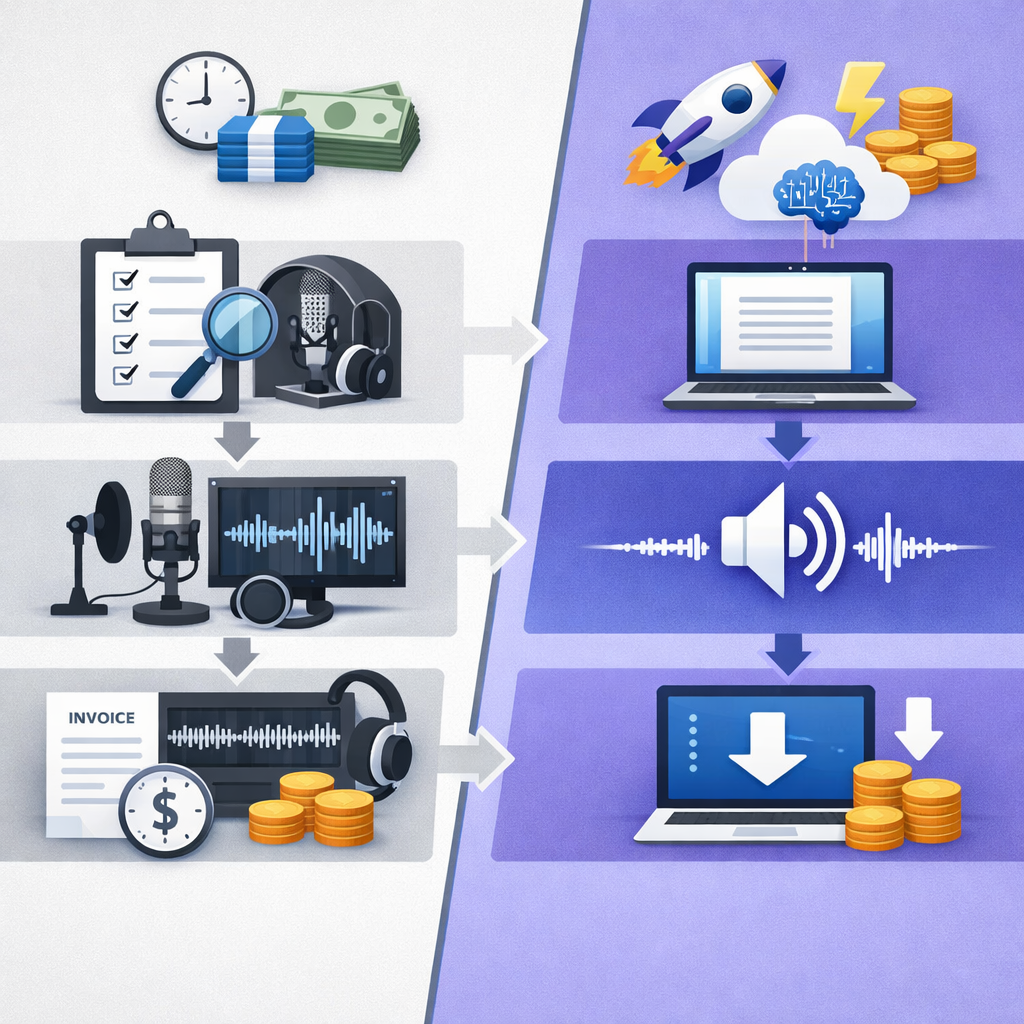
The biggest benefit is speed. A normal voiceover process can involve booking talent, recording, editing, and pickups. AI generated voices can turn that into a short browser session.
That speed matters when scripts change often. A training team can update one paragraph without re-recording a full module. A marketing team can test several ad hooks in one afternoon. A product team can refresh prompts after a release without starting over.
According to Gartner, spending on Generative AI technologies continues to rise as organizations move from experimentation to production use.Gartner forecast, accessed 2026
Consistent Output Across Projects
Consistency is another major advantage. Human sessions can vary by day, setup, or performer energy. AI generated voices can keep a stable sound across campaigns, lessons, support flows, and product content.
That helps with brand trust, revision control, and localization. Many teams also compare tools alongside voice generator evaluation criteria and online voiceover workflows so they can keep production standards aligned.
The Features That Matter Most in AI Generated Voices

Not every tool that sounds good in a demo works well in production. We focus on four practical areas: realism, control, language support, and workflow speed.
| Feature | Why it matters | What good looks like |
|---|---|---|
| Voice quality | Shapes listener trust | Natural pacing, clear pronunciation, low robotic artifacts |
| Emotion controls | Changes how the message feels | Easy options for calm, upbeat, serious, or energetic delivery |
| Languages and accents | Supports localization | Broad coverage with believable regional options |
| Editing workflow | Saves time on revisions | Fast previews, simple browser editing, easy export |
| Commercial usability | Determines real business value | Reliable output for ads, courses, apps, and podcasts |
Human-Sounding Voice Quality
The best AI generated voices do not sound flat or overly smooth. Listen for natural rhythm, useful pauses, and emphasis on the right words. A good test is to try three script types: a short ad, an instructional script, and a longer passage. If the voice works in all three, it is usually strong enough for production.
Emotion and Tone Control
Emotion matters because different content needs different delivery. A sales video may need confidence. A lesson needs clarity. A support message may need calm reassurance. If the platform cannot shape tone, the result can feel generic.
Language and Accent Flexibility
Many teams need more than one language. Global brands, educators, and publishers often localize content for several markets. According to W3C guidance on language and locale, language choices affect usability and comprehension. In practice, accent fit matters almost as much as translation quality.
Online Access and Easy Editing
Fast editing is a major buying factor. Browser-based tools are easier for distributed teams and non-technical users. The best platforms let you paste text, preview quickly, make small changes, and export without audio engineering skills.
Best Use Cases for AI Generated Voices
The strongest use cases for AI generated voices share one trait: they need repeatable audio production without the delays of traditional recording.
Marketing and Sales Content
Marketers use AI generated voices for video sales letters, product demos, paid social ads, landing page explainers, and retargeting creatives. Speed is critical because campaigns change fast. Teams can test several hooks or offers in one session instead of booking new recordings each time.
Education and Training
Educators and training teams use AI generated voices to narrate slides, explain concepts, and support accessibility. This works especially well for onboarding, compliance, and certification content because those materials often need updates.
Publishing, Podcasts, and Product Experiences
Authors, bloggers, and podcasters use AI voices for intros, summaries, trailers, and article-to-audio formats. Product teams use them for onboarding, tutorials, kiosk flows, and guided app experiences.
“We see the best results when teams treat AI voice as a production system, not a novelty. Script structure, tone choice, and revision workflow matter as much as the model itself.”Our editorial testing notes, 2026
“For recurring training and product content, the time saved on revisions is often the true ROI driver.”Internal evaluation framework used by our content team
How to Choose the Right AI Generated Voice Tool
Choosing the right platform starts with your workflow. A podcaster, a support team, and a course creator may all need AI generated voices, but they will not value the same features in the same way.
Questions to Ask Before You Buy
-
What content will you create most often?
Short ads, long lessons, demos, and support prompts all test the tool differently. -
How much emotional control do you need?
If persuasion or listener trust matters, tone controls are important. -
Do you need multiple languages or accents?
Localization needs often grow over time. -
How often will scripts change?
Frequent revisions make editing speed a top priority. -
Who will use the tool?
Non-technical teams need a clean interface and a short learning curve.
Why Paid Tools Often Deliver Better Results
Paid tools often provide better voice quality, stronger editing controls, broader libraries, and clearer commercial usage rights. For serious business use, poor audio can cost more than the subscription you tried to save.
How Revoicer Stands Out for AI Generated Voices
Revoicer is built for users who want realistic voiceovers without a complex setup. Its positioning is strongest for marketers, educators, authors, support teams, product developers, and podcasters who need fast online creation.
Emotion-Based Voice Generation for More Natural Delivery
One of Revoicer’s strongest points is emotion-based voice generation. That matters because natural delivery is not only about pronunciation. It is also about whether the voice sounds warm, persuasive, calm, urgent, or clear when the script needs it.
80+ Voices and 40+ Languages for Wider Reach
Revoicer highlights a library of 80+ voices and support for 40+ languages. That gives teams a useful range for audience fit and localization. For brands working across markets, that breadth can be a real advantage.
Built for Fast, Scalable, Online Voiceover Creation
Revoicer is positioned as a browser-based tool for quick voiceover creation. That simple workflow is helpful for teams that do not want to manage recording gear, editing software, or outside talent for every script change.
In practice, that makes Revoicer especially relevant for:
- Marketers producing ad variants and sales videos
- Educators and students turning lessons into spoken content
- Authors and publishers creating audio-ready material faster
- Support teams building prompts and guided experiences
- Podcasters adding intros, promos, and companion audio
Common Mistakes to Avoid When Using AI Generated Voices
Even strong tools can produce weak results if the script or voice choice is wrong. Most problems come from workflow mistakes, not from the model itself.
Using the Wrong Tone for the Content
A cheerful voice can feel wrong in serious training. A dramatic voice can make a tutorial sound odd. Match the tone to the listener’s goal first.
Ignoring Pacing, Pitch, and Voice Fit
Do not accept the first output too quickly. Small changes to pacing, pause length, and emphasis can improve quality a lot. Also check whether the voice fits the audience and the brand.
Overlooking Multilingual Needs Early
If you may expand into other markets, plan for that now. Build scripts that localize well. Test product names and key terms. Choose a platform that can support future languages, not only your current one.
Conclusion: Choosing AI Generated Voices That Sound Real
The market for ai generated voices is growing fast, but the buying logic is simple. Focus on realism, emotional control, language fit, and editing speed. Then match those strengths to the content you make most often.
If you want scalable, browser-based voiceover creation without the usual recording overhead, Revoicer is a strong option to evaluate.
Ready to move from testing scripts to producing voiceovers at scale? Explore the platform and see whether it fits your workflow.
Frequently Asked Questions
What are AI generated voices used for most often?
They are often used for marketing videos, training modules, product demos, support prompts, podcasts, audiobooks, and localized content. The main benefit is fast production and easy revision.
Do AI generated voices sound realistic now?
Many do. Quality has improved a lot with neural speech synthesis, but realism still depends on the platform, the chosen voice, and how well you control pacing, tone, and pronunciation.
How do I choose the best AI generated voice for my brand?
Start with your audience and content type. Test voices with real scripts, not sample lines. Look for natural pacing, emotional fit, strong language support, and an editing workflow your team can use easily.
Why do businesses pay for AI voice tools instead of using basic options?
Paid tools often offer better voice quality, stronger editing controls, broader language libraries, and smoother commercial workflows. That usually means less rework and better results.
Is Revoicer suitable for non-technical users?
Yes. Revoicer is positioned as an online tool for fast voiceover creation without complex recording or engineering steps, which makes it attractive for marketers, educators, authors, podcasters, and business teams.