Key Takeaways
- Speech AI helps teams turn text into clear, natural audio without long recording cycles.
- Main benefits include faster production, easier updates, lower costs, and better support for multilingual content.
- The best tools offer strong voice quality, emotion control, simple editing, and room to scale.
- For non-technical users, Revoicer stands out for quick voice generation and expressive delivery.
- The right choice depends on your workflow, not just a long feature list.
AI Audio Guide
Speech AI: Benefits, Uses, and Best Tools
Published: May 2026
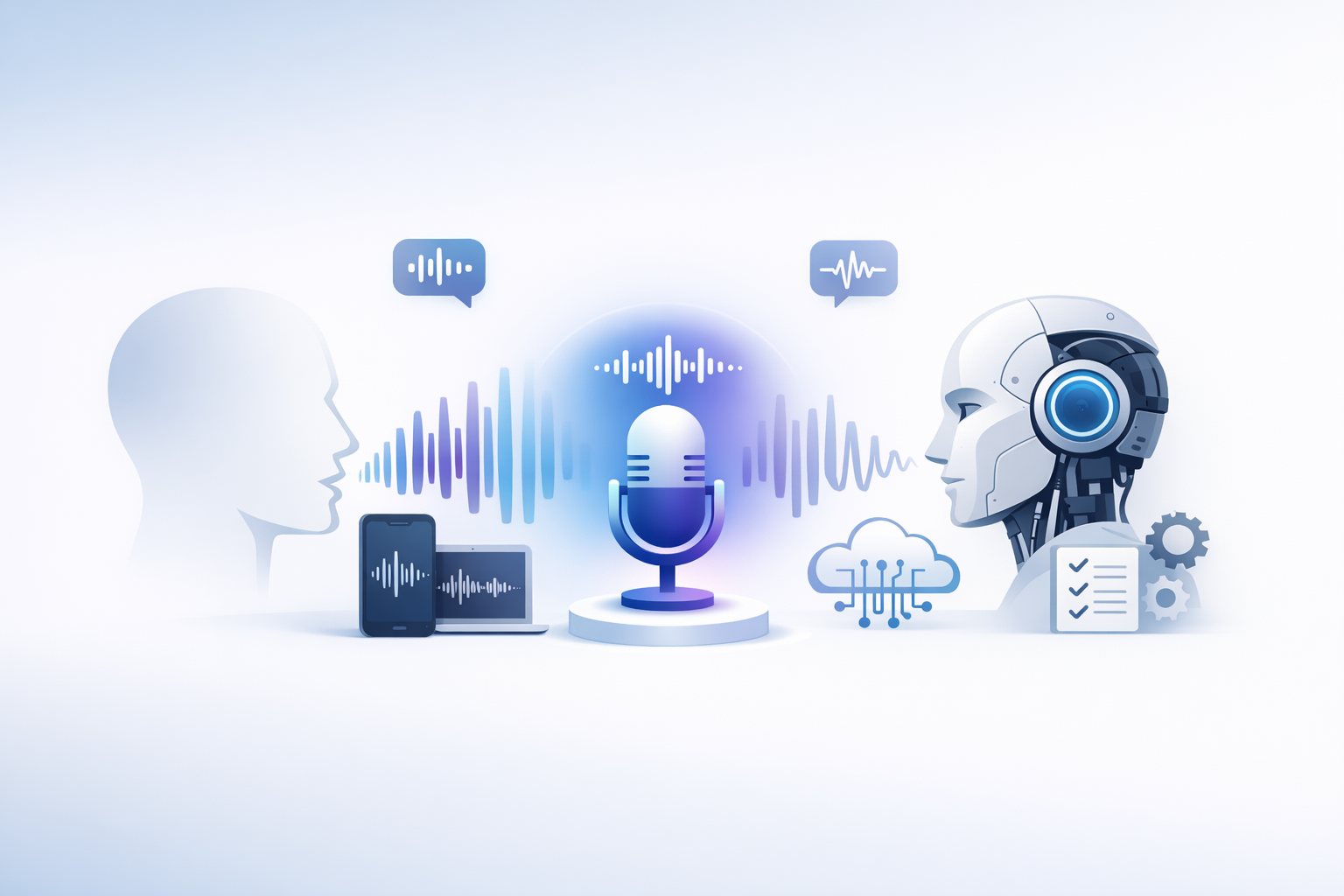
Speech ai is now a practical tool for marketing, training, support, and content production. Teams use it to create voiceovers faster, update scripts with less effort, and publish audio in more languages.
Why trust this guide: We reviewed current speech synthesis capabilities, product positioning, and workflow needs across marketing, education, podcasting, and support teams. Our analysis focused on ease of use, voice realism, emotional range, localization, browser-based production, and long-term scalability, with references to official sources including NIST, Google Cloud Text-to-Speech, and ElevenLabs.
What Is Speech AI and Why Does It Matter?
Speech ai is software that creates, changes, or studies spoken audio with machine learning. In this guide, the focus is AI voice generation. That means turning written text into spoken audio that sounds natural enough for real business use.
It matters because audio now shows up everywhere. Brands need narration for videos. Course creators need lesson audio. Product teams need onboarding guides. Support teams need clear voice content in more than one language. Traditional voiceover still has value, but many teams need speed and repeatability more often than studio polish.
How Speech AI Works
-
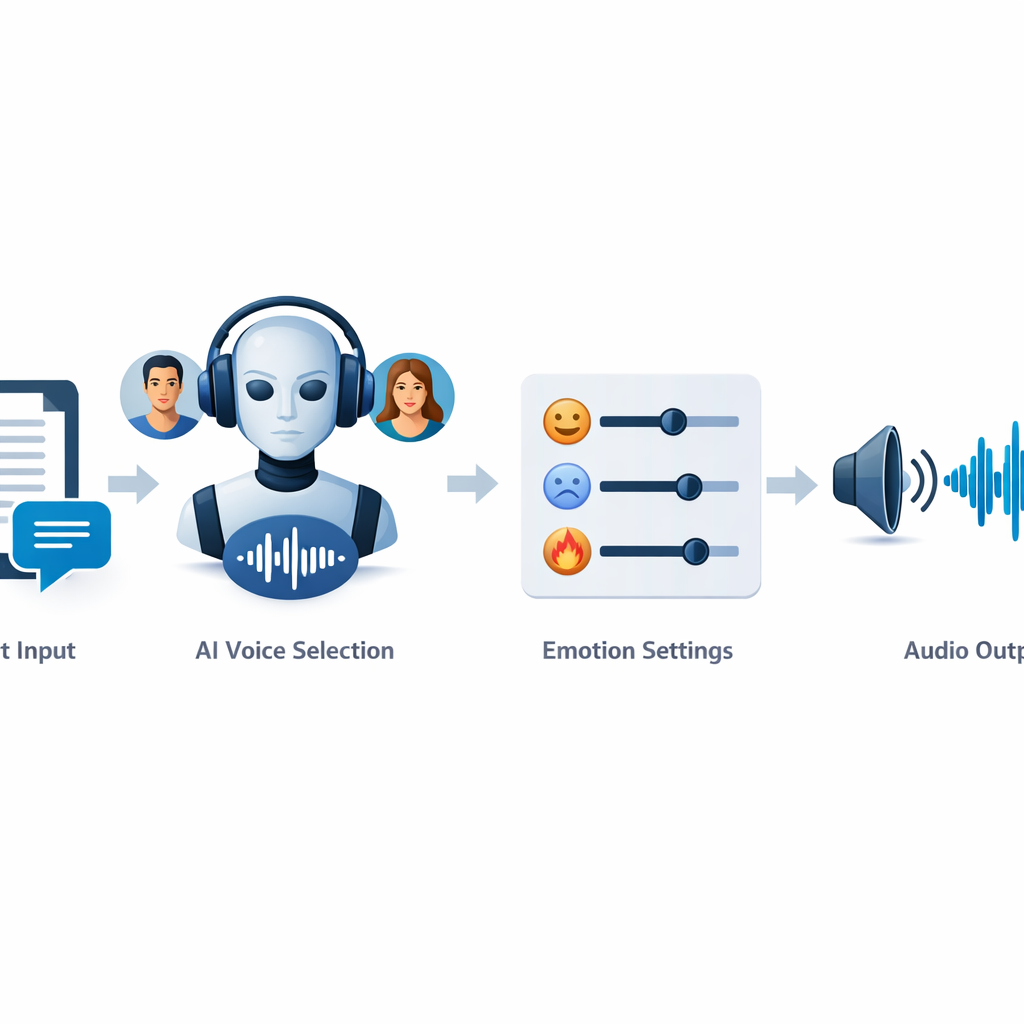
1. Text analysis: The system reads words, punctuation, and likely pause points.
-
2. Voice modeling: A model predicts rhythm, pitch, and pronunciation for the chosen voice.
-
3. Audio synthesis: The platform renders the final spoken output.
-
4. Editing and export: Users adjust speed, tone, or emotion, then export the file.
Speech AI vs Traditional Voiceover Workflows
| Factor | Speech AI | Traditional Voiceover |
|---|---|---|
| Production speed | Often minutes or hours | Often days or weeks |
| Revision cost | Usually low and fast | Can require rebooking talent |
| Scalability | Strong for many versions and languages | Harder to scale |
| Emotional nuance | Improving fast | Still strongest with top human talent |
| Best fit | High-volume, repeatable content | Premium campaigns and cinematic work |
The key point is simple: speech ai does not replace every voice actor. It removes friction for the many audio tasks that need to be produced and updated quickly.
Want to hear how modern AI voice generation can fit into your workflow without complicated setup?
Top Benefits of Speech AI for Modern Teams
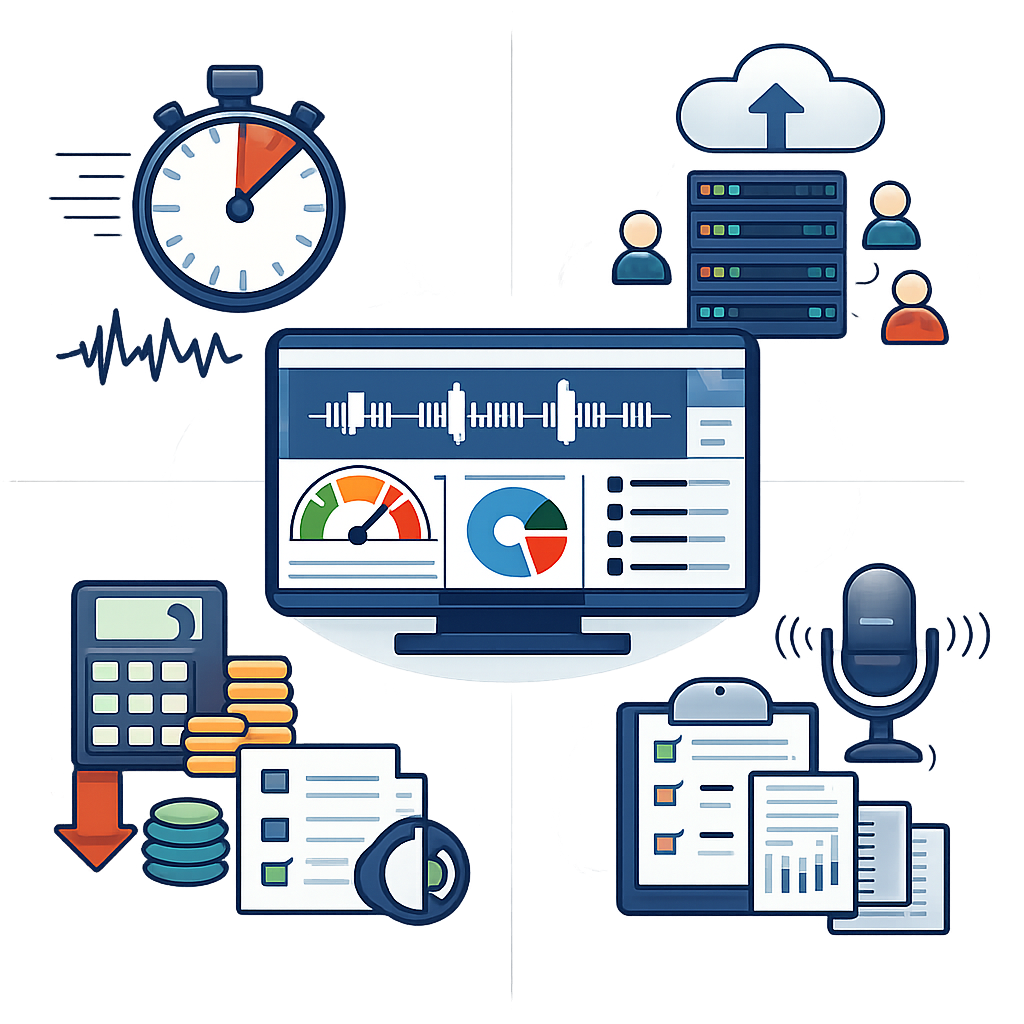
Teams adopt speech ai because they need more output with fewer delays. The biggest gains usually show up fast.
⚡ Faster launches
Create narration for ads, explainers, onboarding, and lessons without waiting on recording calendars.
💸 Lower overhead
Reduce costs tied to studios, retakes, editing coordination, and multilingual production.
🧭 Brand consistency
Keep the same vocal style across channels, campaigns, and customer touchpoints.
🌍 Global reach
Produce localized audio in more languages without rebuilding the process from scratch.
Faster Content Production
Speed is often the first clear win. A marketer can test several ad scripts in one sitting. A teacher can turn a lesson into audio the same day. A product team can update onboarding narration as soon as the interface changes.
Lower Production Costs
Traditional voiceover costs include more than talent fees. There is also scheduling, recording, editing, and revision work. Speech ai can compress many of those steps into one workflow.
- Fewer revision fees when scripts change
- Less dependence on outside schedules
- Lower localization costs for multilingual versions
- Less tool switching in simple production pipelines
Consistent Brand Voice at Scale
Consistency matters when a company has many videos, tutorials, and support assets. Speech ai helps teams keep one recognizable voice style across channels.
“The value of synthetic media in business often comes from consistency and repeatability, not just novelty.”
Based on our review of enterprise speech workflows and official product positioning across AI audio platforms in 2026
Multilingual Reach Without Complex Workflows
Global content is one of the strongest use cases. Teams can localize one script and produce audio for several regions without rebuilding the whole process.
Key Speech AI Features to Look For
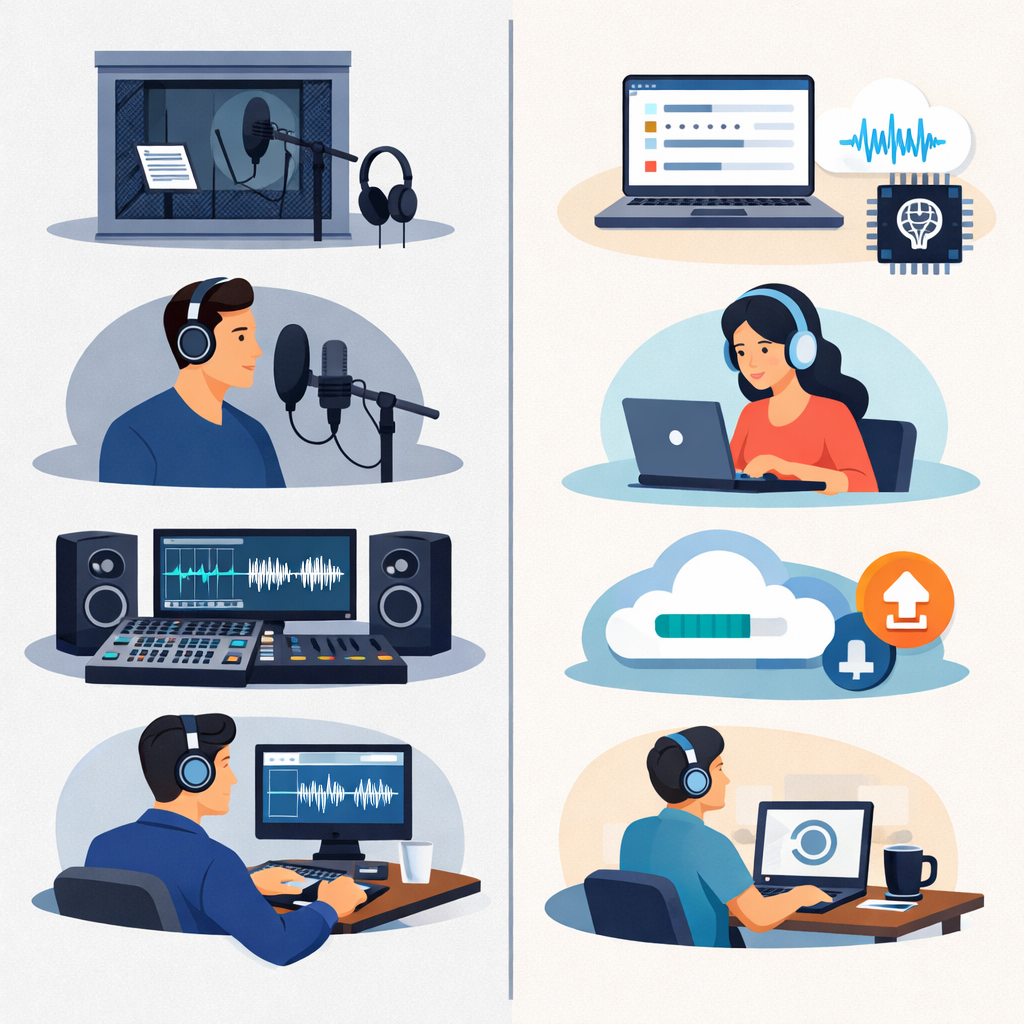
Not all tools serve the same user. Some are built for developers. Others are built for creators, educators, and marketers. The best speech ai platform depends on what you need after the audio is generated.
Human-Sounding Voices
The first test is simple: does the voice sound believable for your audience? Listen for natural pauses, clear pronunciation, and steady pacing. Always test with your real script, not just a short demo.
Emotion and Tone Control
Emotion is a major separator. Sales videos, lessons, and story-driven content often need more than a flat read. Strong tools let you shift tone toward excitement, calm, empathy, or confidence.
Voice Customization Options
Useful controls include speed, pitch, pauses, emphasis, and pronunciation. A support tutorial needs clarity. A promo needs energy. A warm read for a story needs a different style again.
Browser-Based Access and Scalability
| Evaluation area | Why it matters | What to check |
|---|---|---|
| Accessibility | Faster adoption across teams | Cloud editor, simple UI, quick export |
| Collaboration | Easier review and revision cycles | Shared workflows, versioning, comments |
| Scale | Supports growing content volume | Reusable voices and localization support |
| Enterprise readiness | Needed for larger deployments | APIs, analytics, testing, guardrails |
Best Use Cases for Speech AI
The best use cases usually involve repeat production, frequent updates, and pressure to scale.
Marketing and Sales Content
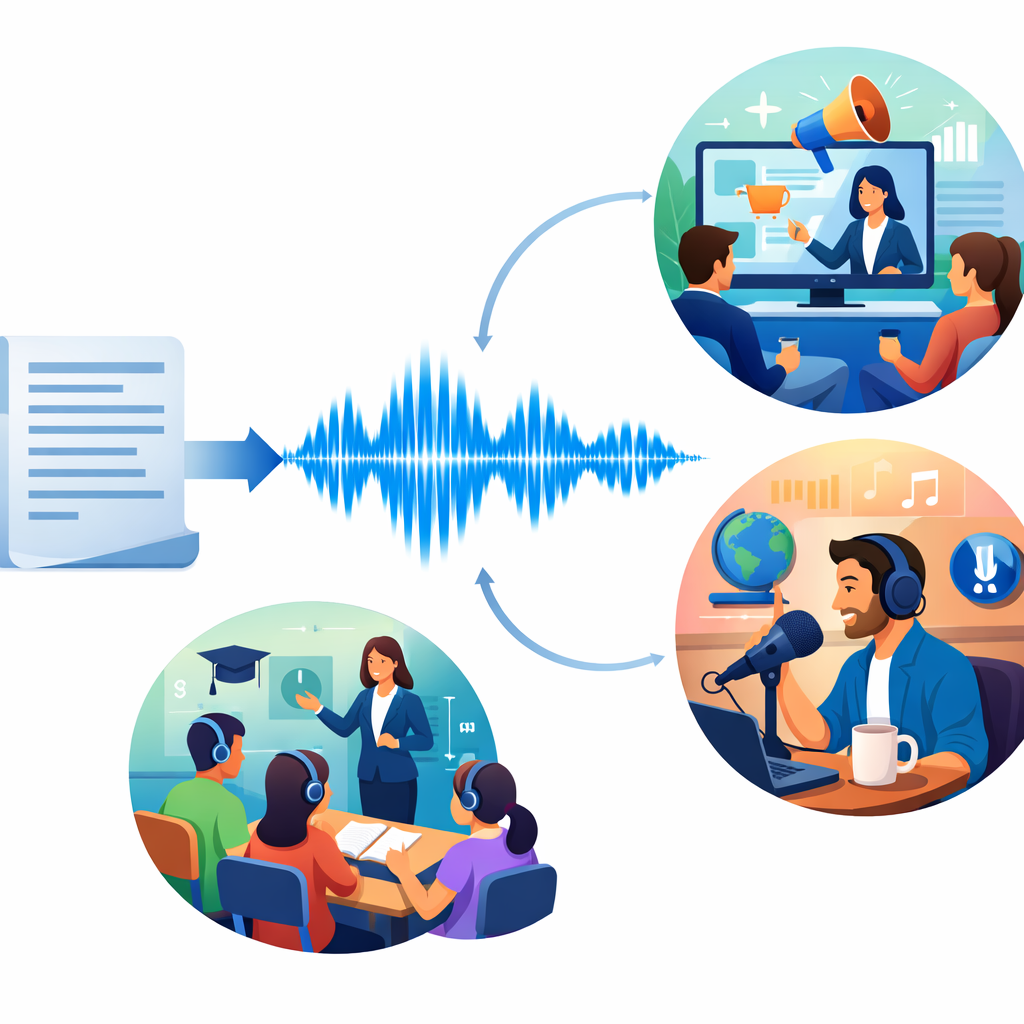
Marketing teams use speech ai for video ads, explainers, social content, webinar intros, and sales assets. It is useful when campaigns need many versions and quick script changes.
Education and Training
Teachers, course creators, and training teams benefit from repeatable narration. Lessons change often. Compliance modules update. Product training evolves. AI-generated audio makes those revisions easier.
Authors and Podcasters
Authors use speech ai for previews and promotional clips. Podcasters use it for intros, transitions, and recurring segments. The main value is saved time.
“For creators publishing often, the biggest gain is not replacing the host voice. It is removing repetitive production tasks that slow down the release schedule.”
Our editorial assessment after comparing creator workflows across podcasting and audiobook use cases
Customer Support and Product Experiences
Support and product teams use speech ai in onboarding tours, help videos, IVR systems, and product walkthroughs. Some vendors now combine voice with broader agent and workflow tools. Others stay focused on simple voiceover production.
How Revoicer Fits Into the Speech AI Landscape
Revoicer fits the speech ai market from a practical angle. It is built for users who want realistic voiceovers without technical setup. That makes it useful for marketers, educators, creators, authors, podcasters, support teams, and product teams.
Built for Non-Technical Users
Many teams do not want to manage APIs or audio engineering tools. They want to paste text, choose a voice, adjust delivery, and export. Revoicer is positioned for that simple workflow.
Emotion-Based Voice Generation
One of Revoicer’s strongest points is emotion-based delivery. That matters because many scripts fail at the delivery level, not the writing level. Emotion controls help users shape the read to fit the message.
80+ Voices in English and 40+ Languages
Based on Revoicer sales materials, the platform offers 80+ voices in English and support for 40+ languages. That gives teams more options for both creative work and localization.
A Time-Saving Alternative to Traditional Voiceovers
Revoicer is best seen as a fast alternative for teams that need realistic voiceovers without the delays of traditional recording. It will not replace every premium human performance, but it can shorten production cycles for repeatable business content.
How to Choose the Right Speech AI Tool
Choosing the right speech ai platform is mostly about fit. Start with your workflow, not the hype.
Match Features to Your Workflow
If you create ads and demos, prioritize emotional range and editing speed. If you run training programs, prioritize clarity and language support. If you build customer-facing agents, look harder at latency, analytics, testing, and guardrails.
We also recommend reviewing related internal resources before deciding how voice content will fit your stack, such as what to look for in an AI voice generator and how emotion changes text-to-speech results.
Evaluate Output Quality and Flexibility
Use your own scripts during testing. Then ask:
- Does the voice sound natural over a full minute or more?
- Can you control emotion, pacing, and emphasis?
- How easy is it to revise after feedback?
- Does quality stay strong across languages?
Consider Long-Term Scalability
The right tool should still work when your content volume grows. Think about more contributors, more markets, and more campaigns.
The Future of Speech AI
Speech ai is moving beyond simple narration. The next wave will connect voice with video, localization, analytics, and conversational workflows.
More Expressive and Personalized Audio
Expect better emotional nuance, better pronunciation, and more personalized delivery styles. That will make AI audio more useful in storytelling, coaching, onboarding, and customer communication.
Greater Adoption Across Teams and Industries
Adoption will keep growing across enterprise, creator, education, and product teams. The market is already splitting into creative tools for content production and operational tools for voice agents and customer experience.
Why Paid Speech AI Solutions Continue to Grow
Paid tools keep growing because businesses care about reliability, support, licensing clarity, and scalable workflows. For serious commercial use, those factors matter as much as raw voice quality.
According to platform documentation from leading vendors, enterprise adoption is increasingly tied to localization, workflow integration, and deployment controls rather than just raw voice generation quality.
See official product pages from Google Cloud and ElevenLabs
Final Thoughts
Speech ai is no longer an experimental tool. It is a practical way to create audio faster, update it more easily, and scale it across channels and languages.
If your priority is realistic voiceovers without technical complexity, Revoicer is a strong fit for marketers, educators, creators, authors, support teams, and product teams.
Ready to explore a faster way to create realistic AI voiceovers for content, training, and customer experiences?
Frequently Asked Questions
What is speech ai used for?
Speech ai is used for voiceovers, marketing videos, e-learning narration, product tutorials, podcast segments, customer support audio, and multilingual localization. It is most useful when teams need to create or update audio quickly.
Is speech ai the same as text-to-speech?
Text-to-speech is one part of speech ai. The broader category can also include voice cloning, speech recognition, conversational agents, analytics, and workflow tools.
Can speech ai sound natural enough for business content?
Yes. Many modern tools sound natural enough for ads, explainers, training, and support content. The best results come from strong voice quality, emotion control, and careful script testing.
How do I choose the best speech ai tool?
Start with your use case. Compare voice realism, emotional range, language support, revision speed, browser-based usability, and scalability.
Where does Revoicer fit among speech ai tools?
Revoicer is well suited to non-technical users who want realistic, emotion-based voice generation for marketing, education, creator content, support, and product experiences.