Key Takeaways
- The best text-to-speech ai should sound natural, stay clear in long scripts, and fit your workflow.
- Different users need different strengths. Marketers want speed, educators need clarity, and product teams need scale.
- Voice realism matters because robotic pacing reduces trust, watch time, and comprehension.
- Revoicer stands out for emotion-based voices, broad language support, and simple online use.
- The smartest choice looks at output quality, control, and long-term efficiency, not just price.
Best Text-to-Speech AI: What Really Matters
Finding the best text-to-speech ai is not easy. Many tools can read words aloud. Far fewer can create audio that sounds natural, fits your brand, and saves real time.
This guide compares what matters most: voice quality, emotion control, language support, ease of use, and cost over time. If you want the best text-to-speech ai for marketing, education, support, or content production, start with practical needs instead of flashy demos.
Why trust this guide: We reviewed major AI voice platforms and focused on real buying criteria: realism, editing control, language coverage, usability, and production speed.
What Is the Best Text-to-Speech AI?
The best text-to-speech ai is the tool that creates believable audio for your exact use case. A creator may need fast voiceovers for videos. An eLearning team may need steady narration across many lessons. A product team may need multilingual updates every week.
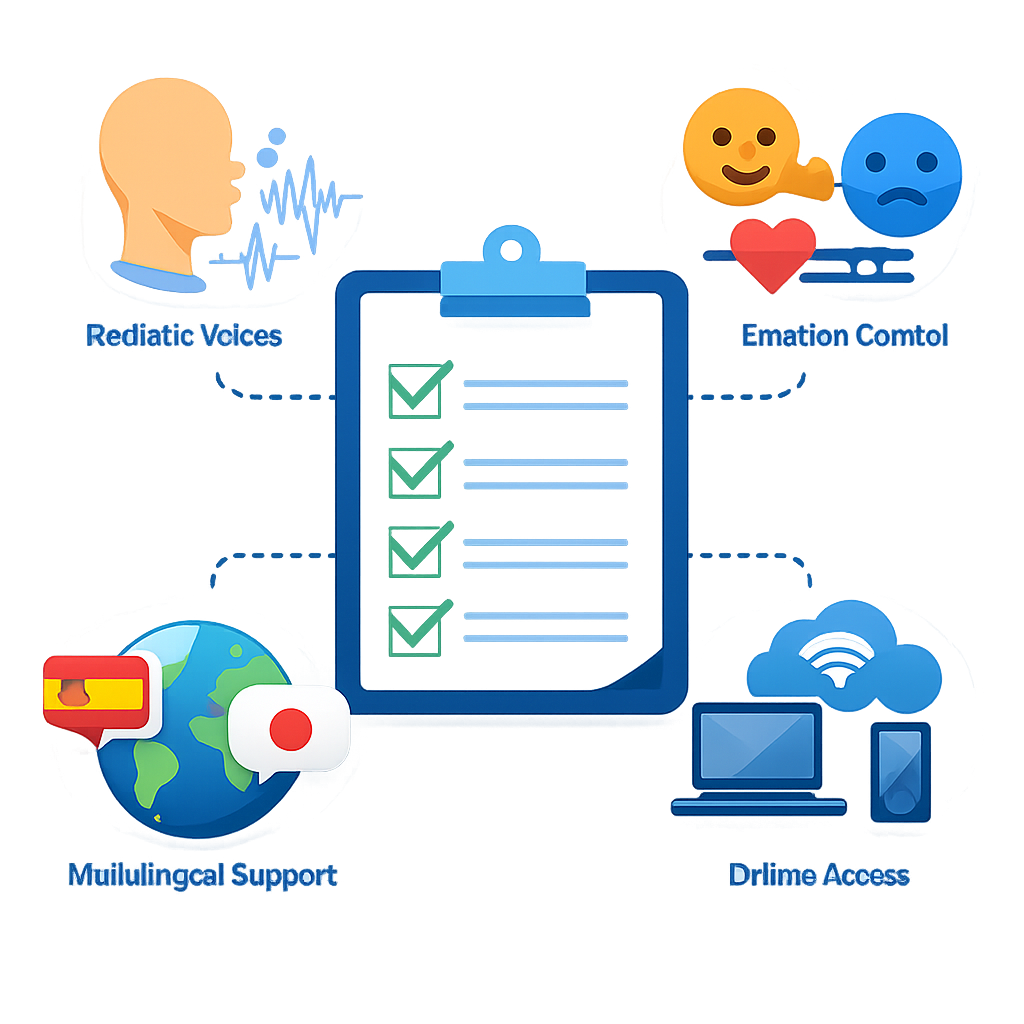
In most cases, the best text-to-speech ai shares a few core traits:
- Natural cadence that does not sound stiff or robotic.
- Emotion or style control for tone, emphasis, and pacing.
- Language and accent support for wider audience reach.
- Simple workflow with quick editing and export.
- Good long-term value compared with repeated recording sessions.
According to NIST and long-running speech technology research, intelligibility alone is not enough. Listener perception also depends on timing, emphasis, and natural variation.Speech technology evaluation principles, referenced through NIST resources
That is why the best text-to-speech ai is not always the tool with the longest feature list. It is the one that stays convincing after a full minute, a full lesson, or a full chapter.
Why voice realism matters
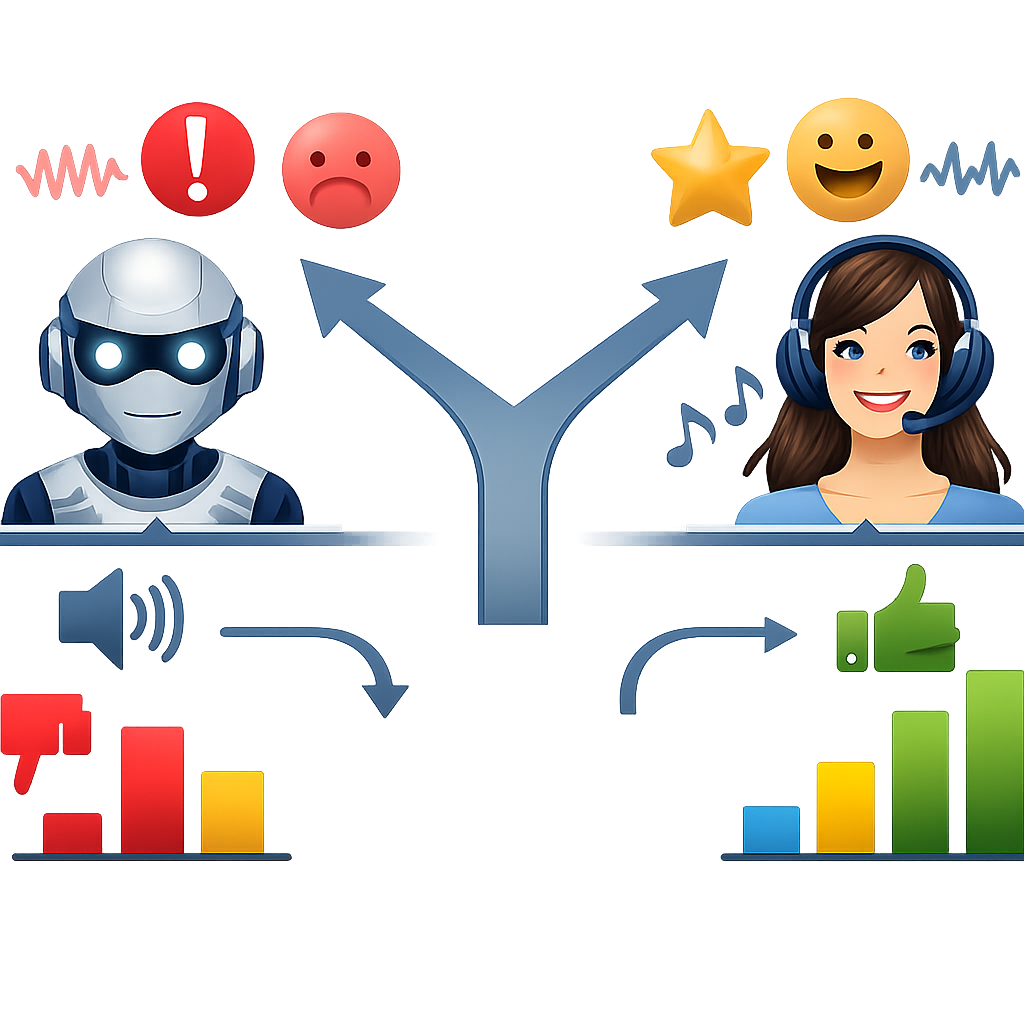
Voice realism affects trust and attention. If listeners notice the software more than the message, the content loses impact. This matters in ads, lessons, onboarding, and narration.
How emotion control changes the output
Emotion control helps a voice match the goal. A promo may need energy. A training lesson may need calm authority. A support message may need empathy. Without that range, every script starts to sound the same.
Who needs text-to-speech AI most
The best text-to-speech ai is useful for more than accessibility. It now helps many teams publish audio faster.
Marketers
Create ad voiceovers, product promos, and social videos faster.
Educators
Turn lessons and study materials into clear audio at scale.
Authors
Test narration style and character tone before full production.
Support & Product Teams
Build tutorials, IVR prompts, and updates without studio delays.
How to Evaluate Text-to-Speech AI Tools
If you are comparing the best text-to-speech ai tools, do not rely on marketing claims alone. “Human-like” can mean very different things. Use a simple framework based on quality, control, workflow, and cost.
| Criterion | Why it matters | What to check |
|---|---|---|
| Voice Quality | Shapes trust and listener comfort | Cadence, emphasis, and long-form consistency |
| Emotion Control | Helps match the use case | Calm, upbeat, serious, persuasive, empathetic options |
| Language Coverage | Supports wider audiences | Languages, accents, and pronunciation flexibility |
| Customization | Helps fit brand voice | Pitch, speed, pauses, and style controls |
| Ease of Use | Reduces production friction | Browser access, export speed, and simple editing |
| Cost Efficiency | Affects ROI over time | Usable output per month and reduced studio work |
Voice quality and human-like delivery
The first question is simple: would a real person keep listening? Good tools handle punctuation and sentence flow well. Great tools keep that quality across longer scripts.
Language coverage and accent options
If your audience is global, language support is essential. The best text-to-speech ai for international use should offer believable accents and clear pronunciation, not just a long language list.
According to the W3C Web Accessibility Initiative, spoken media quality affects accessibility and comprehension. Poor pacing or awkward pronunciation can make content harder to follow.
Customization: pitch, speed, and voice type
Basic speed control is not enough for many teams. Serious users often need changes to pitch, pauses, and delivery style. This is especially helpful for product names, branded terms, and multilingual content.
Ease of use and fully online access
Workflow friction is a hidden cost. If a tool needs downloads, complex setup, or heavy cleanup, the time savings disappear. The best text-to-speech ai should be easy for non-technical users too.
Scalability and cost efficiency
Look beyond the monthly fee. A cheaper tool that needs more editing can cost more in labor. A stronger tool that produces clean audio fast may save more over a quarter.
For broader context on synthetic media and AI-generated speech, see Wikipedia’s overview of speech synthesis and AI research resources from OpenAI.
Best Text-to-Speech AI for Different Use Cases
The best text-to-speech ai depends on what you publish, how often you publish, and how much control you need.
For marketers and video creators
Marketers need speed and emotion. Ads, explainer videos, and social clips work better when the voice sounds energetic but still natural. Revoicer is a strong fit here because it focuses on emotion-based output with a simple workflow.
For educators, students, and eLearning
Education audio needs clarity first. Learners should not have to fight awkward pacing. For course teams, consistency across many lessons matters just as much as realism.
For authors and audiobook-style narration
Long-form narration is a harder test. The best text-to-speech ai for authors should stay stable across long passages and allow mood changes without rebuilding the whole script.
For customer support and product teams
These teams often need repeatable audio: onboarding clips, help content, app walkthroughs, and release updates. In this case, the best text-to-speech ai is the one that removes delays and keeps output consistent.
For podcasters and content publishers
Publishers need listener-friendly pacing and a consistent brand sound. AI voices can help with intros, recaps, article-to-audio versions, and language variants.
“The biggest shift with AI voice tools is not novelty. It is throughput. Teams can publish more audio without rebuilding their production stack every time.”Editorial analysis from our content workflow review
“Listeners forgive synthetic audio less than buyers expect. If cadence feels off, engagement drops quickly.”Our evaluation notes across marketing and eLearning use cases
Why Revoicer Stands Out Among Text-to-Speech AI Tools
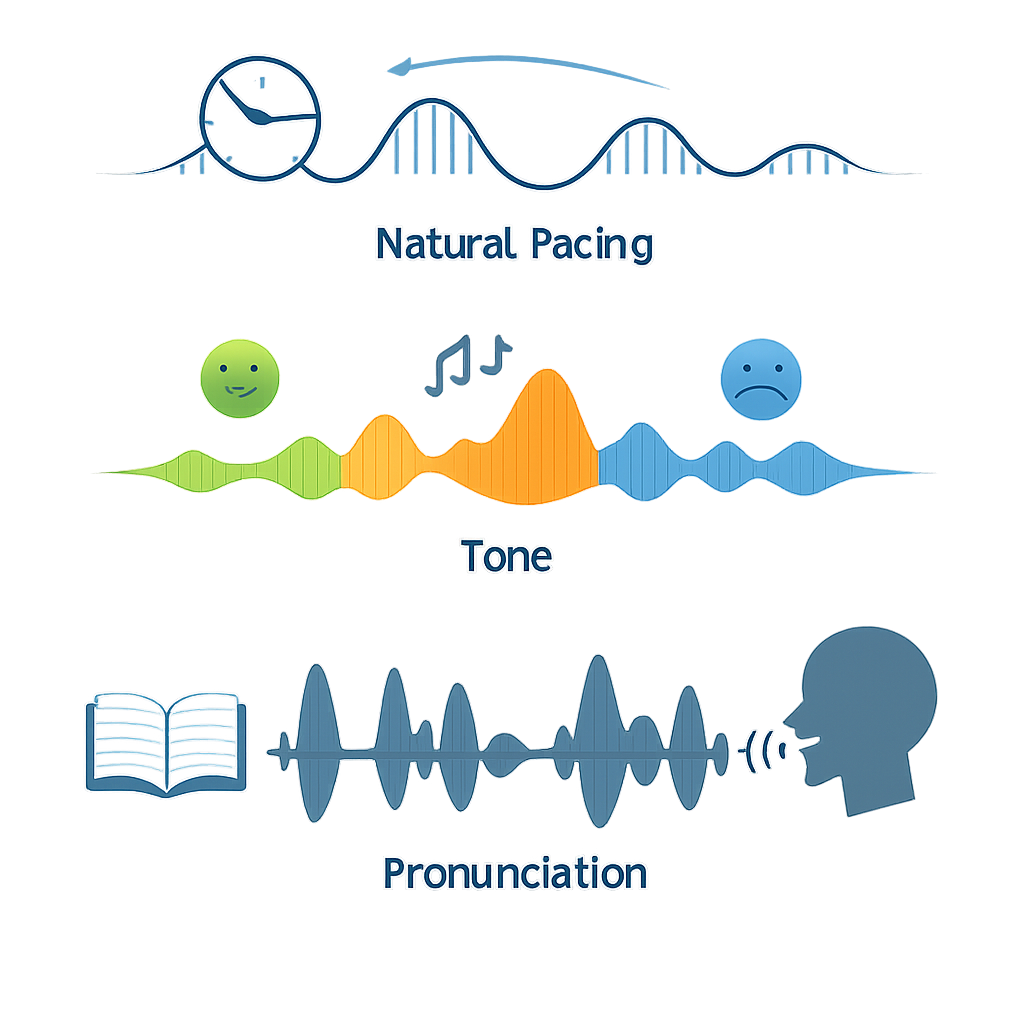
Among current options, Revoicer stands out by combining realism, emotional control, and ease of use. It is built for people who want quality voiceovers without a complex production setup.
Emotion-based AI voices for more engaging audio
Emotion is one of Revoicer’s clearest strengths. Users can shape delivery to fit sales videos, lessons, onboarding, and support content instead of settling for flat narration.
80+ human-sounding voices in English and 40+ languages
Based on product materials, Revoicer offers 80+ human-sounding voices in English and 40+ languages. That gives teams more flexibility for regional and multilingual content.
No downloads, no recording setup, no technical hassle
For many buyers, this is the deciding factor. Revoicer is designed for online use without recording gear or studio setup. That makes it approachable for solo creators and efficient for teams.
Built for speed, scale, and lower production costs
Revoicer is strongest when audio production is frequent. Marketing teams, educators, and product groups can create more voice content with fewer delays and fewer dependencies.
Best for
Marketers, educators, authors, support teams, and publishers who need fast voiceovers.
Core strength
Emotion-aware delivery with simple online production.
Operational benefit
Less dependence on recording gear, scheduling, and technical cleanup.
If you are comparing categories, some tools focus on realism, some on advanced editing, and some on pronunciation control. Revoicer’s angle is practical: expressive voiceovers with low workflow friction.
Common Mistakes to Avoid When Choosing a Text-to-Speech AI
Choosing based on price alone
The cheapest option is not always the best text-to-speech ai. If the output needs heavy cleanup, your team pays in time.
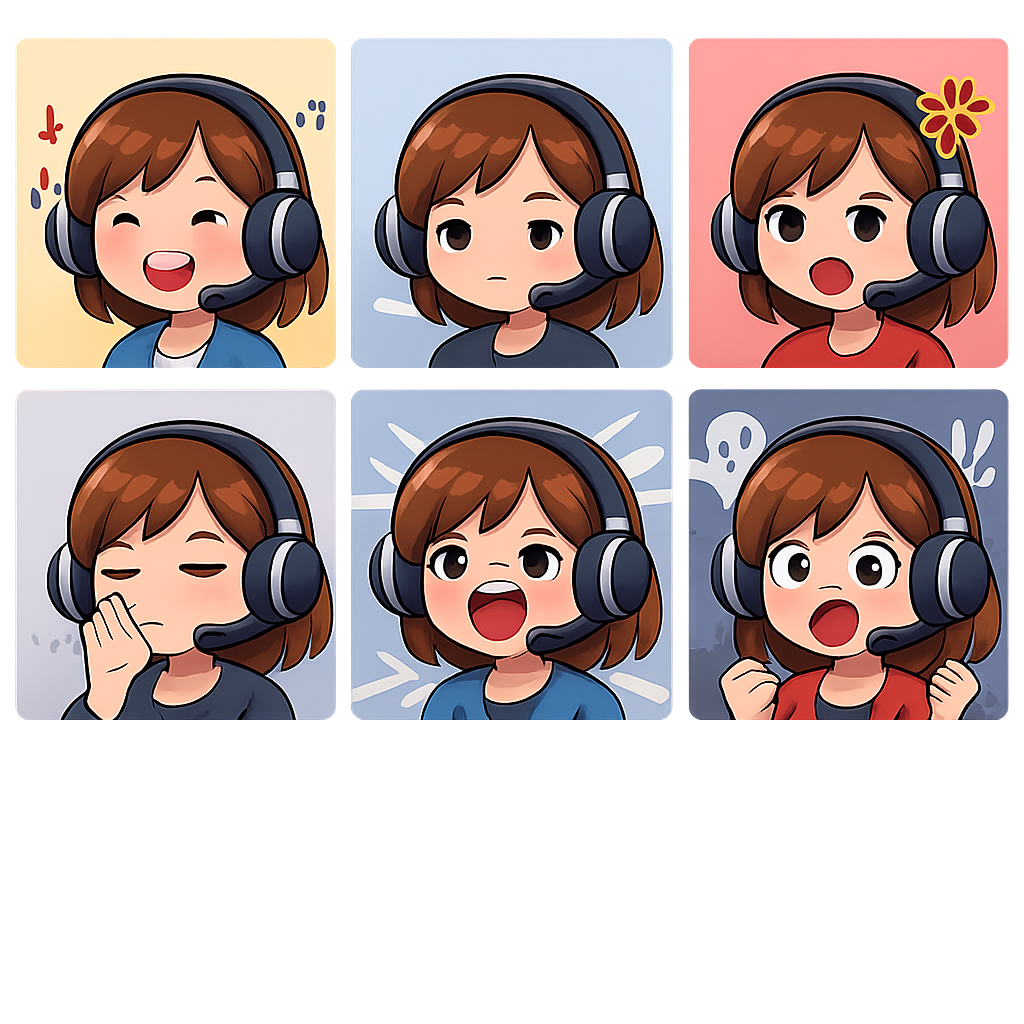
Ignoring emotional range and delivery style
A clear voice can still fail if it sounds lifeless. This is a common problem in sales content and education, where tone affects trust and comprehension.
Overlooking language and audience needs
Do not assume a tool with many languages handles your audience well. Test the exact language, accent, and terms you need.
Picking tools that add workflow friction
Some platforms are powerful but too complex for daily use. If only one specialist can run the tool, you may create a new bottleneck.
How to Choose the Right Text-to-Speech AI for Your Goals
The right choice becomes clearer when you match the tool to your output volume, audience expectations, and workflow.
-
Match the tool to your content volume.
If you create audio every week, prioritize speed, repeatability, and easy editing. -
Prioritize audience experience.
Choose the voice style that fits how people will listen, whether that is ads, lessons, narration, or support flows. -
Check control depth.
Make sure you can adjust speed, tone, and voice character enough to fit your brand. -
Evaluate long-term efficiency.
The best text-to-speech ai should reduce recurring production effort, not just create a good sample.
Match the tool to your content volume
High-volume teams should favor low-friction platforms. The more often you publish, the more every extra step hurts.
Prioritize audience experience
If the audio feels pleasant and credible, people stay longer. In practice, this matters more than a long feature list.
Look for long-term efficiency, not just short-term novelty
Novel features are fun at first. Durable workflow gains matter more later. For more related guidance, explore our internal resources on AI voice generator selection and realistic AI voiceovers.
Next Steps: Explore Revoicer for AI Voiceovers

If you want realistic, scalable voiceovers without the usual recording hassle, Revoicer is worth a close look. It fits teams that need emotional range, fast production, and a simpler path from script to audio.
See how Revoicer fits your workflow
If your current process involves waiting on talent, fixing recording issues, or delaying launches, an online AI voice workflow can remove a lot of friction.
Review features and pricing
Focus on the features you will use most: emotional delivery, voice variety, language support, and production speed.
Choose a scalable alternative to traditional voiceovers
Traditional voice recording still has a place. But for recurring content, updates, explainers, training, and marketing assets, the best text-to-speech ai can be the more scalable choice.
Frequently Asked Questions
What is the best text-to-speech AI for realistic voiceovers?
The best choice depends on your use case, but strong tools combine natural cadence, emotion control, easy editing, and scalable production. Revoicer stands out for users who want expressive voiceovers without technical complexity.
Why does emotion matter in text-to-speech AI?
Emotion affects how believable and engaging the audio feels. A flat voice can weaken ads, lessons, and narration, while the right tone improves clarity and trust.
Is text-to-speech AI useful for business teams, not just creators?
Yes. Product teams, support teams, educators, and marketers use AI voices for onboarding, tutorials, training, multilingual updates, ads, and recurring content.
How many languages should a good AI voice tool support?
There is no perfect number. It should cover the languages and accents your audience actually uses. Revoicer offers 40+ languages, which is useful for broad or international reach.
What should I test before choosing a text-to-speech platform?
Test a real script, not a short sample line. Include names, numbers, transitions, emotional shifts, and at least one minute of continuous audio.
Can AI voice tools replace traditional voice actors completely?
Not always. Human actors still have an edge for premium campaigns and highly nuanced performances. But for scalable, recurring production, AI voice tools can save major time and cost.