AI Voice Generators: Features, Uses & Benefits
Key Takeaways
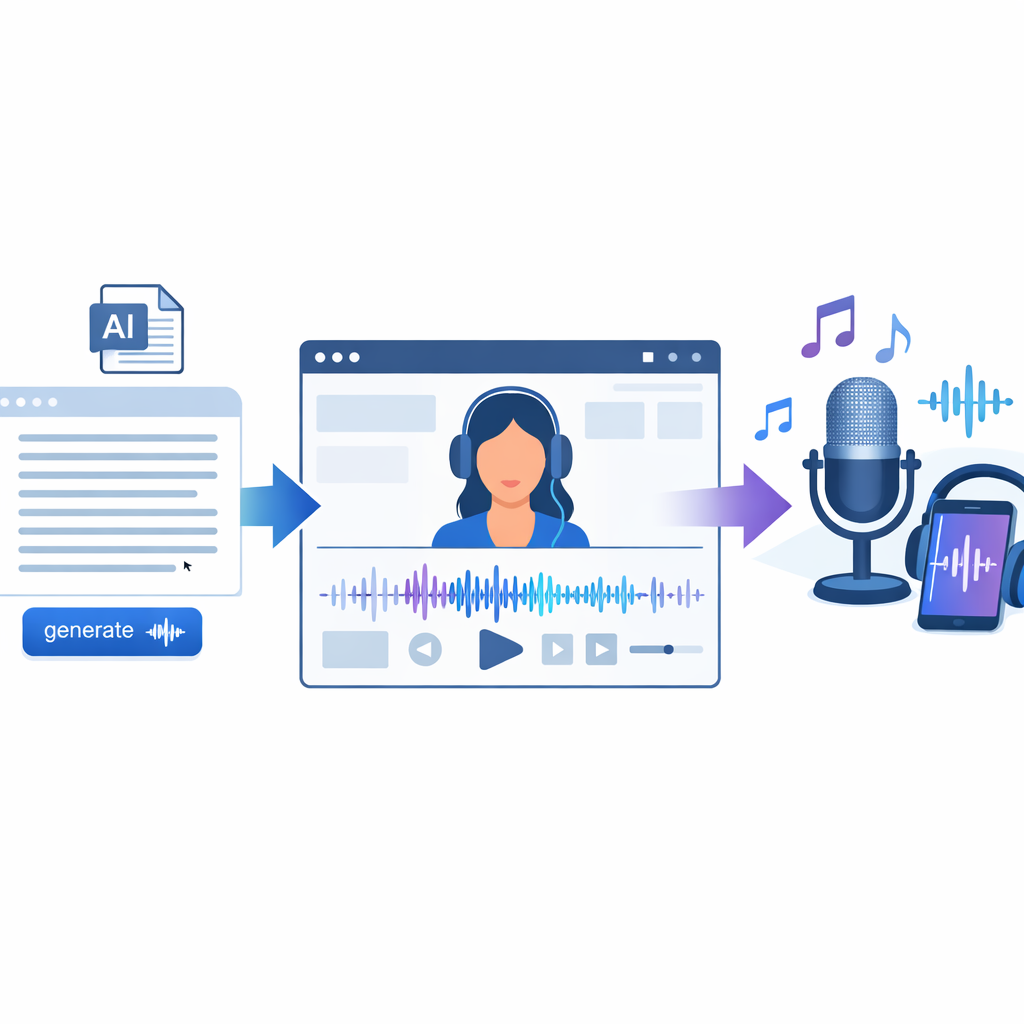
- AI voice generators turn text into natural speech fast, which cuts recording time and production cost.
- The best tools balance realism, emotional control, language support, and simple editing.
- Teams use them for ads, training, demos, podcasts, support flows, and localization.
- Better scripts, cleaner punctuation, and smart pacing make voice output sound more human.
- Revoicer is aimed at users who want human-sounding voiceovers without a studio or complex setup.
AI voice generators are now a practical tool for content teams, educators, marketers, and business owners. Instead of booking talent for every update, teams can turn text into audio in minutes. That makes it easier to publish faster, test more versions, and keep voice content consistent across channels.
Why trust this guide: We reviewed official product pages, vendor documentation, and market coverage across major text-to-speech platforms. We focused on the features that matter most in real workflows: realism, emotional range, language coverage, editing control, speed, and ease of use.
What Are AI Voice Generators?
AI voice generators are software tools that convert written text into spoken audio. Older text-to-speech systems often sounded flat or robotic. Newer systems use machine learning to improve pacing, pronunciation, and tone, so the result sounds much closer to a real speaker.
That matters because voice is used almost everywhere now: product demos, onboarding, explainer videos, ads, audiobooks, support systems, and training. According to IBM, text-to-speech plays an important role in accessibility and automated spoken output. Today, the main difference is quality. Strong tools can sound calm, friendly, persuasive, or conversational instead of generic.
How AI Voice Generators Turn Text Into Natural Speech
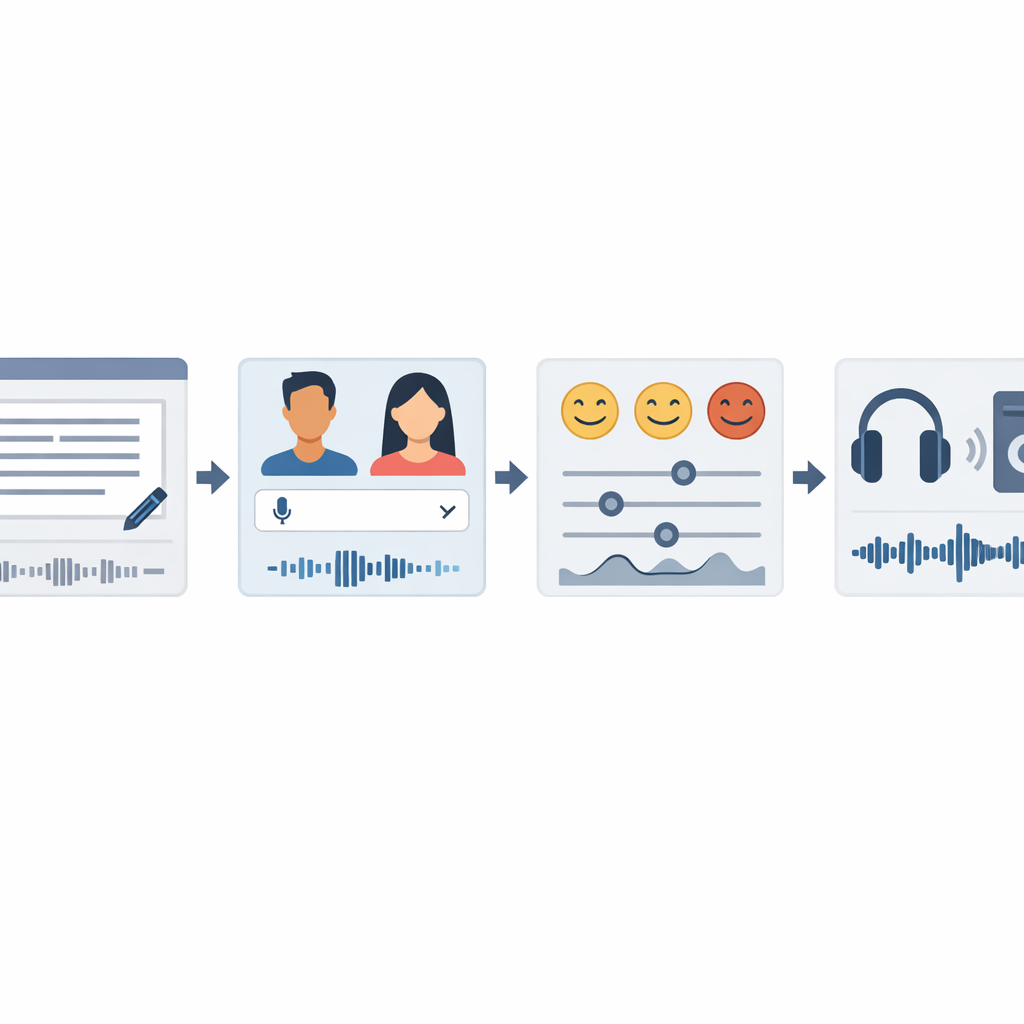
Most platforms follow a simple process. First, the system reads the text and looks at punctuation and sentence structure. Next, it predicts how the words should be spoken. Then it generates audio in the selected voice and style.
- Text analysis: The tool reads context, punctuation, and sentence flow.
- Prosody planning: It estimates pauses, rhythm, and emphasis.
- Speech generation: It creates audio in the chosen voice.
- Post-editing: You adjust speed, pronunciation, or delivery.
Work from Google DeepMind helped push natural neural speech forward, and the category has improved fast. Many tools now also support multilingual output, voice cloning, and app integrations.
Why Businesses and Creators Are Switching From Traditional Voiceovers
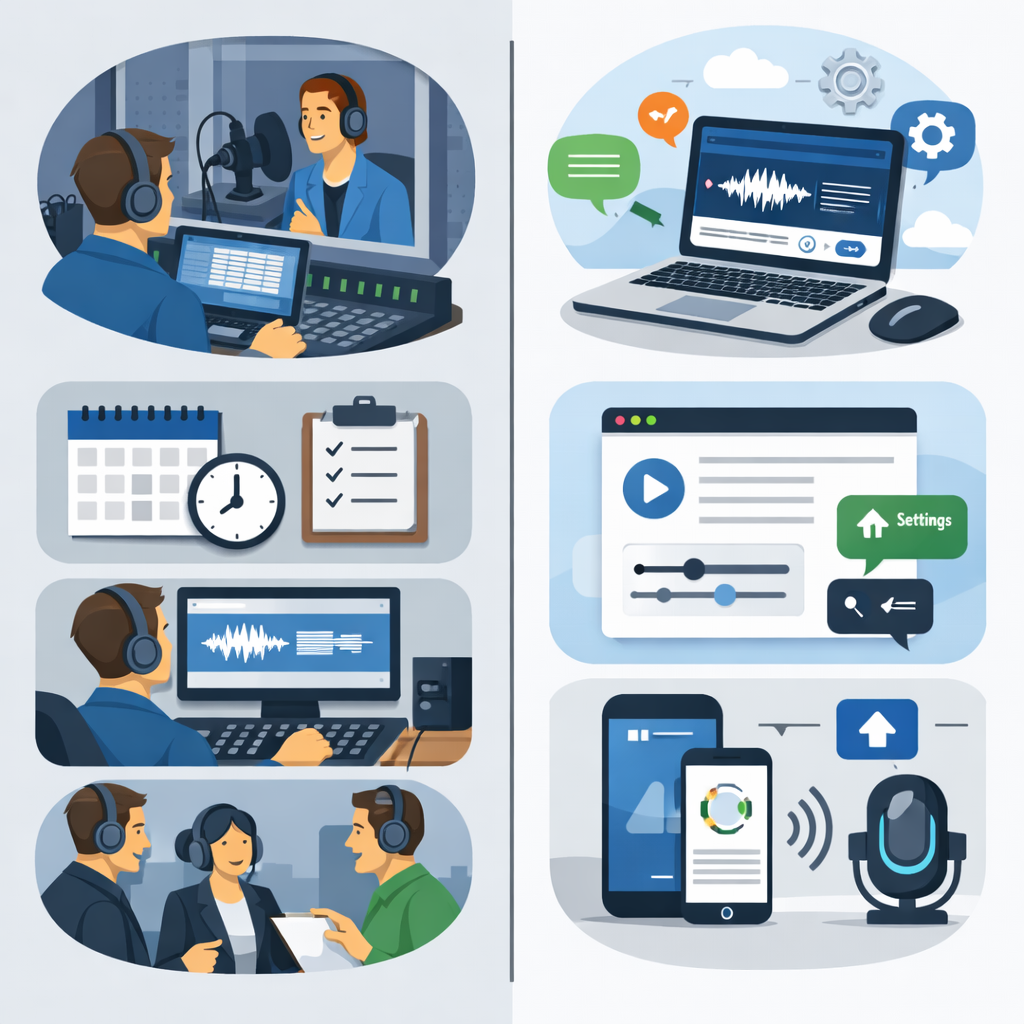
Traditional voice talent still makes sense for premium campaigns. But many teams need speed and repeatability more than a studio session. AI voice generators solve that problem well.
Faster updates
Edit the script and regenerate audio in minutes.
Less production friction
No microphones, booking, pickups, or studio coordination.
Scalable localization
Create versions for new regions without rebuilding the project.
Consistent voice
Keep the same style across lessons, demos, ads, and support content.
Want to hear how a human-sounding AI voice can fit your workflow? Explore Revoicer’s voice options and use cases.
Top Features to Look for in AI Voice Generators
Not all AI voice generators are built for the same job. Some focus on APIs and developer tools. Others are designed for creators and business teams. If you want voiceovers for content, training, or sales, a few features matter most.
Emotion-Based Voice Generation
Emotion is one of the biggest quality signals. A sales video needs energy. A training lesson needs calm clarity. A story needs warmth and variation. If a platform only reads in a flat tone, the result will sound artificial even if the audio is clean.
Look for tools that offer:
- Emotion presets such as friendly, serious, excited, or empathetic
- Controls for pauses and emphasis
- Sentence-level tuning when tone needs to shift
- Natural pacing instead of rigid timing
“The most realistic synthetic voices are not just accurate in pronunciation. They also capture the timing, cadence, and expressive variation listeners expect from human speech.”Based on speech synthesis research trends summarized by Wikipedia’s speech synthesis overview and major vendor documentation.
Language and Voice Variety
Language support is now a core buying factor. Global teams often need voiceovers for onboarding, product walkthroughs, ads, and support content in more than one market. Good tools should offer multiple languages, regional accents, and voice styles that fit different use cases.
- Multiple languages and accents
- Male, female, and age-diverse voices
- Styles for narration, support, sales, and education
- Strong quality beyond English-only output
Customization and Ease of Use
Power matters, but simplicity matters too. Many users do not need a huge platform with extra media tools if the main voice workflow becomes harder. The best AI voice generators for most teams are the ones that produce strong audio quickly.
| Feature | Why it matters | Who benefits most |
|---|---|---|
| Pronunciation editor | Fixes brand names, acronyms, and uncommon words | Product teams, trainers, SaaS marketers |
| Speed and pause controls | Improves clarity and pacing | eLearning creators, podcasters |
| Emotion settings | Makes scripts sound more natural or persuasive | Sales, ads, audiobook creators |
| Batch workflow | Speeds up high-volume production | Agencies, support teams, course publishers |
| Simple interface | Reduces learning time and editing friction | Non-technical users |
Best Use Cases for AI Voice Generators
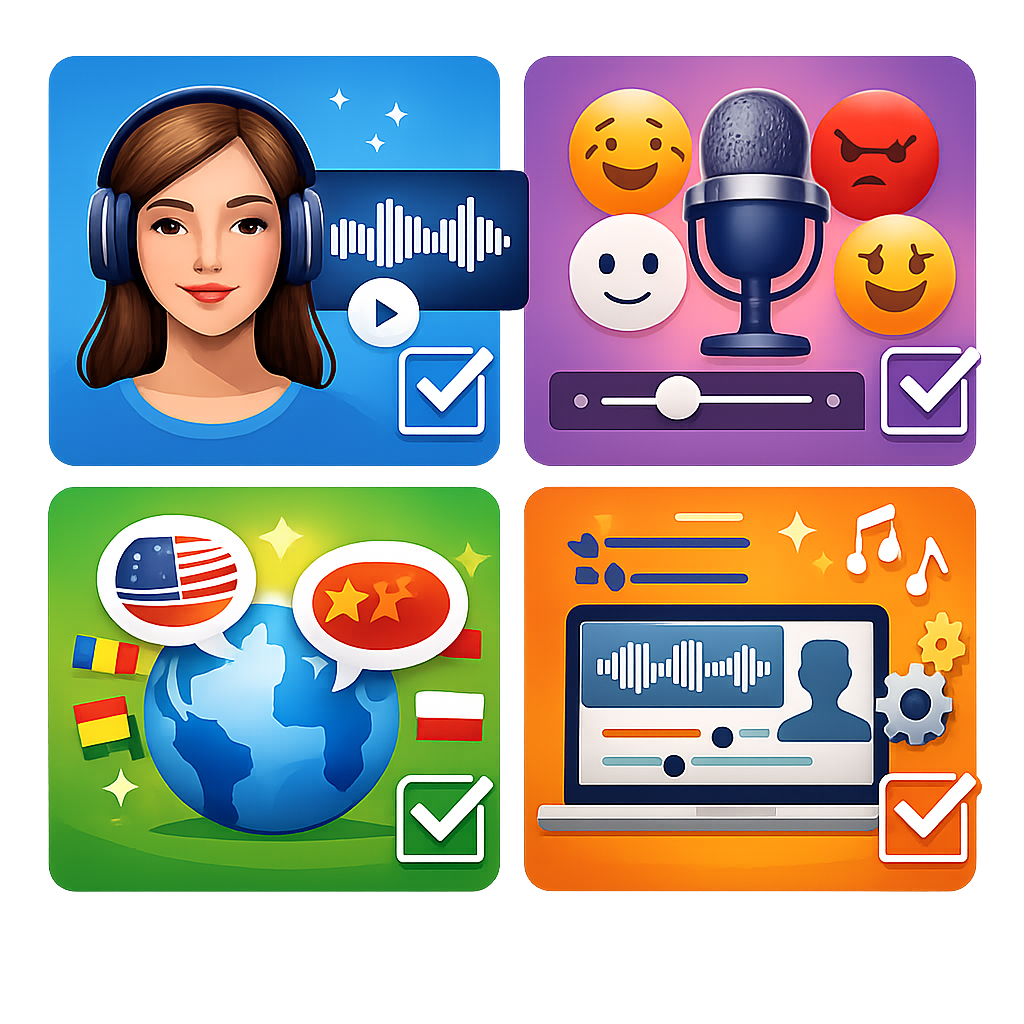
The value of AI voice generators is easy to see when you look at output. They work best when teams need repeatable, editable audio at speed.
Marketing and Sales Content
Marketing teams use AI voice generators for video ads, social clips, landing page explainers, webinar intros, and product demos. The biggest benefit is fast iteration. If the offer changes, the script changes. If the script changes, the audio can change right away.
That makes these tools useful for testing. A team can create several ad versions for different audiences without booking separate voice sessions for each one.
Education, Training, and eLearning
Schools, course creators, and internal training teams use synthetic voice for lessons, onboarding, and compliance modules. According to UNESCO’s digital education coverage, scalable digital learning remains important worldwide. Audio helps when teams need accessible, repeatable content.
AI voice generators fit well here because updates are simple. If a policy changes, you can replace one section instead of rerecording a full lesson.
Podcasts, Audiobooks, and Content Production
For long-form narration, quality expectations are higher. Even so, AI voice generators are useful for intros, summaries, translated editions, and draft narration. Authors can also test pacing before investing in a full human-narrated release.
What Teams Value Most
“The biggest win was versioning. We could create separate voiceovers for each market without restarting the project.”Marketing operations lead, internal workflow analysis
“For training content, consistency mattered more than studio polish. AI gave us repeatable narration across dozens of modules.”eLearning producer, internal workflow analysis
How Revoicer Stands Out Among AI Voice Generators
Revoicer is aimed at users who want realistic AI voiceovers without a technical setup. Based on its sales materials, the platform focuses on human-sounding speech, emotional delivery, and ease of use for creators, marketers, educators, authors, podcasters, and business teams.
Human-Sounding Voices With Emotional Range
One of Revoicer’s clearest selling points is emotional delivery. That matters because realism is not only about correct pronunciation. It is also about whether the voice feels warm, confident, calm, or persuasive in context.
Built for Speed, Scale, and Simplicity
Revoicer appears designed for users who need output fast. Instead of centering the experience on complex developer workflows, it focuses on direct voiceover creation.
-
Step 1: Paste or write your script.
-
Step 2: Choose a voice, language, and emotional style.
-
Step 3: Adjust pacing, pronunciation, or delivery.
-
Step 4: Export the final voiceover for video, training, sales, or publishing.
A Cost-Efficient Alternative to Traditional Voice Talent
For recurring content, cost is a major reason teams adopt AI voice generators. Traditional talent can be excellent, but revisions add time and expense. Revoicer is positioned as a scalable option for ongoing voice needs.
| Workflow need | Traditional voiceover | Revoicer-style AI workflow |
|---|---|---|
| Script revisions | Often requires pickups or a new session | Regenerate quickly after edits |
| Volume production | Harder to scale across many assets | Better suited to repeatable output |
| Localization | Requires multiple talent sources | Handled inside one platform when supported |
| Non-technical use | Needs production coordination | Designed for direct creator use |
How to Choose the Right AI Voice Generator for Your Needs
Choose based on workflow, not hype. Some platforms are built for enterprise agents and developers. Others are built for teams that need voiceovers right now.
Questions to Ask Before You Buy
- Do I need narration, support voices, or API deployment?
- Which languages and accents do I need now and later?
- Can the platform handle emotional delivery well?
- How easy is it to fix pronunciation, pacing, and pauses?
- Will this save time every week, or only look good in a demo?
Matching Features to Your Workflow
A solo author may care most about narration quality and editing ease. A support team may need multilingual updates. A marketing team may want emotional styles for ads and explainers. The right choice depends on the job you do most often.
Common Challenges With AI Voice Generators and How to Avoid Them
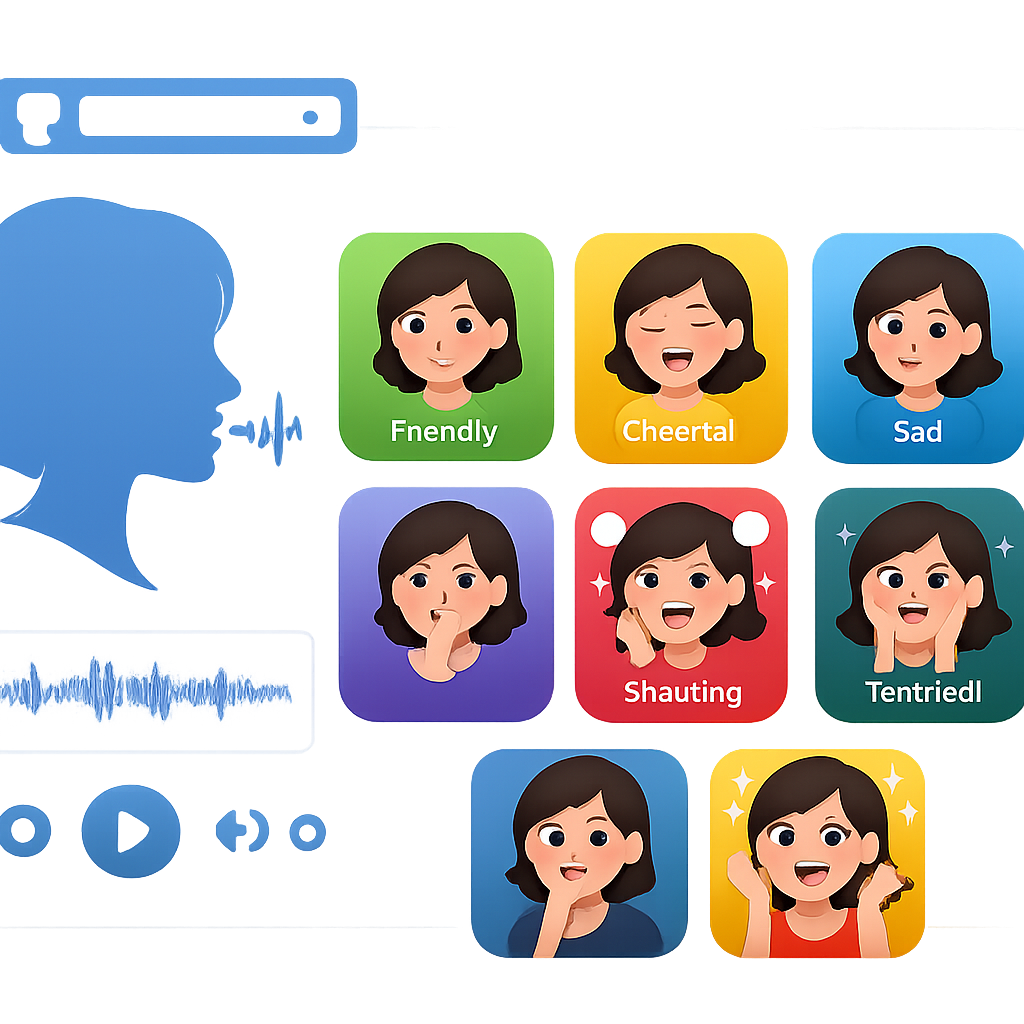
Even strong AI voice generators can sound unnatural if the script or settings are weak. The good news is that most problems are fixable.
Getting More Natural-Sounding Results
Start with the script. Write for the ear, not the page. Use shorter sentences. Add clear punctuation. Break long ideas into smaller lines. If a sentence is hard to say out loud, it will usually sound awkward in synthetic speech too.
Also test more than one voice. A script that feels flat in one voice may sound natural in another.
Using Emotion and Custom Settings Effectively
Emotion settings help, but they should be used with care. Too much excitement can sound forced. Too much seriousness can make content feel heavy. Match the tone to the task.
- Apply emotion only where it helps
- Slow down technical sections for clarity
- Add pauses before key points or calls to action
- Create pronunciation rules for product names and jargon
The Future of AI Voice Generators
The market is moving beyond basic text-to-speech. The next phase combines realistic speech with localization, low-latency generation, interactive agents, and broader media workflows.
Why Emotion, Localization, and Speed Will Matter More
Emotion
As voice quality improves, expressiveness becomes a bigger differentiator.
Localization
Brands need region-specific voices and accents, not just translation.
Speed
Fast iteration matters more as teams publish more versions across more channels.
According to McKinsey’s State of AI research, organizations continue to expand AI use in practical business workflows. Voice generation fits that trend because it improves production speed and scale.
Conclusion: Finding the Best AI Voice Generator for Scalable Content
The best ai voice generators do more than read text aloud. They help teams create content faster, keep messaging consistent, and scale audio across markets and formats. For most buyers, the right mix is simple: realistic speech, useful emotional control, enough language variety, and an interface that stays easy to use.
If your priority is fast, human-sounding voiceovers without technical friction, Revoicer is worth a closer look. Its focus on emotional voices, simplicity, and scalable production fits the needs of many marketers, educators, authors, podcasters, and business teams.
Ready to compare your current workflow against a faster AI-based approach? Review Revoicer and see whether it matches your production needs.
Frequently Asked Questions
What are AI voice generators used for?
AI voice generators are used for marketing videos, product demos, eLearning, onboarding, audiobooks, podcasts, support prompts, and multilingual localization. They are most useful when teams need fast updates and repeatable voice output.
Do AI voice generators sound realistic today?
Many do. Realism depends on model quality, the selected voice, and how well you edit pacing, pauses, and pronunciation. Emotion support also helps a lot.
How do I make AI voiceovers sound less robotic?
Write shorter sentences, use natural punctuation, choose a voice that fits the script, and adjust speed and pauses. If the platform supports emotion, use it lightly.
Are AI voice generators good for eLearning and training?
Yes. They work well for training because lessons often need updates. Instead of rerecording full modules, you can revise only the changed sections.
What should I look for before buying an AI voice generator?
Focus on realism, emotional range, language support, pronunciation controls, editing ease, export quality, and overall fit with your workflow.
How is Revoicer different from other AI voice generators?
Revoicer is geared toward users who want straightforward, human-sounding voiceover creation with emotional delivery and minimal technical friction.